


Grade A Cells: The Optimal Choice for High-Performance Lithium Batteries
In the lithium battery industry, cell quality directly determines lifepo4 battery safety, performance, and lifespan. SylCin uses only Grade A lithium cells—the highest industry standard—featuring stable capacity, superior consistency, long cycle life, and enhanced safety. These cells are widely applied in towing equipment, warehousing systems, start-up machinery, and energy storage solutions.
Compared with lower-grade cells, SylCin’s A-grade cells ensure stable pack balance, reduced heat generation, and lower maintenance, maximizing long-term reliability. Each cell is rigorously tested for capacity, internal resistance, and lipo battery safety to guarantee consistent performance under all conditions.
Choosing SylCin’s A-grade cells means providing customers with safe, durable, and cost-effective OEM lithium battery solutions that deliver peace of mind and reliability.
When it comes to lithium batteries, safety always comes first. Low-grade or uncertified cells often swell, lose capacity, or even catch fire—posing severe risks. That’s why Grade A cells are the foundation of true battery safety. With improved chemical stability, balanced performance, and reliable battery safety valve design, A-grade cells minimize risks of thermal runaway and ensure lasting performance.
With over 10 years of industry experience, SylCin has supplied safe and certified energy solutions to clients in more than 30 countries. Every product is made from 100% Grade A lithium cells, tested under strict lifepo4 battery safety standards to deliver long lifespan and trusted power performance.
By choosing SylCin, you choose a partner that prioritizes lipo battery safety, reliability, and professional OEM expertise.
Why SylCin Chooses Grade A Cells
Choosing Grade A cells ensures higher efficiency, stability, and reliability across every project:
1. Superior Consistency – Uniform voltage and resistance ensure stable lifepo4 battery safety.
2. Extended Lifespan – Thousands of reliable charge/discharge cycles reduce replacement costs.
3. Enhanced Safety – Tested to prevent overheating and improve battery safety valve performance.
4. Higher Value – Delivers long-term ROI and better reliability for OEM lithium battery systems.
👉 Whether for home energy storage, commercial and industrial systems, or towing equipment, starting equipment, Grade A cells guarantee the safest and most dependable performance.
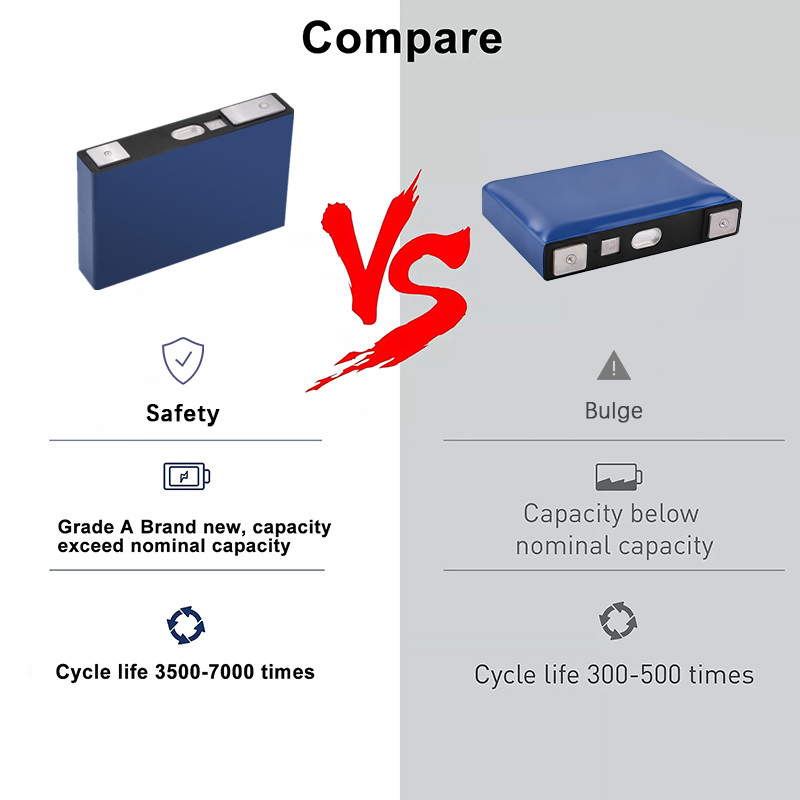
Differences Between Battery Cell Grades
In the battery industry, cells are typically classified as Grade A, B, or even disassembled. The differences between these grades are significant in terms of performance, lifespan, and safety:
1. Consistency: Grade A cells undergo strict quality screening, ensuring consistent voltage, resistance, and capacity. Lower-grade cells often show wide variations, which can reduce stability in battery packs.
2. Lifespan: Grade A cells provide a longer cycle life, maintaining performance after thousands of charge and discharge cycles, while lower-grade cells degrade faster.
3. Safety: A-grade cells undergo overcharge, discharge, and penetration tests, ensuring lifepo4 battery safety. Lower-grade cells lack such testing, increasing fire risks.
4. Applications: Grade A cells are suitable for demanding applications such as energy storage systems, towing equipment, starting equipment, and industrial equipment, while lower-grade cells are often used in low-end or short-term products.
Choosing B or Disassembled Cells
— Hidden Risks You Can’t Ignore
While cheaper, low-grade cells compromise lifepo4 battery safety and long-term reliability. SylCin only uses A-grade lithium cells for consistent OEM performance.
1. Safety Hazards
B/Disassembled-grade cells have high resistance and unstable chemistry, posing short-circuit and fire risks even with a battery safety valve.
2. Inconsistent Performance
Uneven voltage and capacity lead to imbalance, poor SOC accuracy, and weak lipo battery safety during high-load operation.
3. Shorter Lifespan
Their lifespan is only 50–70% of A-grade cells, with faster degradation and reduced cycle count.
4. Poor Temperature Tolerance
At high heat, cells may swell; in cold, discharge efficiency drops—threatening system stability.
5. Higher After-Sales Risk
Early failures or swelling increase warranty costs and damage brand trust.
6. Non -Traceable Quality
Low-grade cells often lack certification or traceability, failing CE, UL, or UN38.3 standards.
For true lifepo4 battery safety and lasting reliability, A-grade lithium cells remain the only professional choice.
Would you like to talk to us about your battery project?

+0086 075527616594

sylcin02@sylcin.com

Room 1701, Building A, Zhongan Science and Technology Park, Dalang Street, Longhua District, Shenzhen