


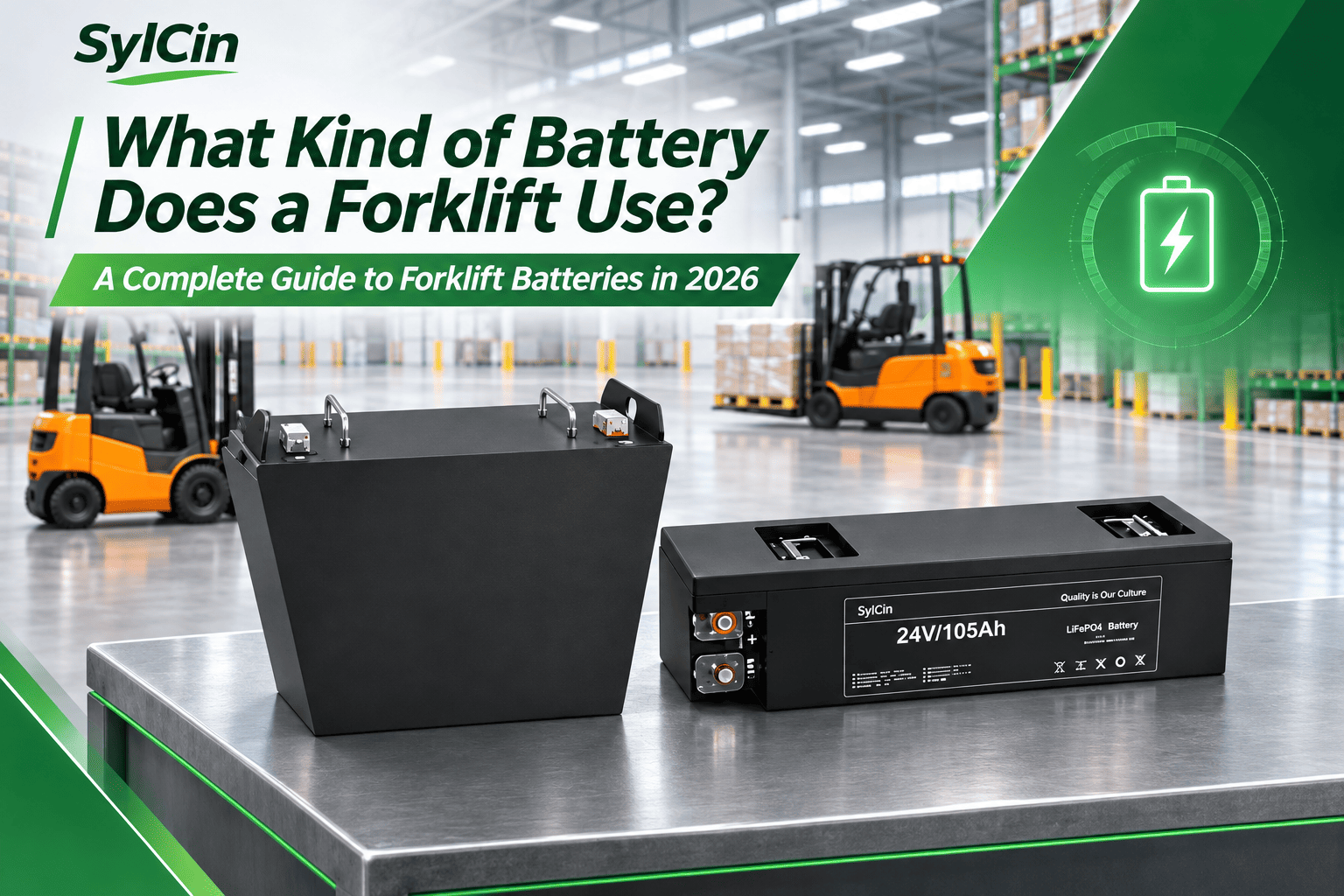
What Kind of Battery Does a Forklift Use?
-
Lead-acid forklift batteries
-
Lithium-ion forklift batteries
|
Battery Type |
Main Characteristics |
Typical Applications |
|
Flooded Lead-Acid |
Established technology, relatively low initial purchase cost, requires regular maintenance |
Traditional electric forklifts |
|
Sealed Lead-Acid |
Reduced electrolyte maintenance compared with flooded designs, with application-specific limitations |
Selected electric material-handling equipment |
|
Lithium-Ion (LiFePO4) |
Fast-charging capability, maintenance advantages, long cycle-life potential |
Industrial forklifts, warehouse equipment |
|
Lithium-Ion (NMC) |
High energy density and compact battery design |
Selected electric industrial equipment |
2. How Do Forklift Batteries Work?
2.1 Battery Cells
2.2 Battery Modules and Pack Structure
2.3 Battery Management System (BMS)
-
Cell voltage monitoring
-
Charging and discharging current monitoring
-
Temperature monitoring
-
State of Charge (SOC) estimation
-
State of Health (SOH) monitoring
-
Overvoltage and undervoltage protection
-
Overcurrent and temperature protection
-
Communication with external equipment
2.4 Charging System
3. Lead-Acid vs Lithium-Ion Forklift Batteries
3.1 When Is a Lead-Acid Forklift Battery Suitable?
-
Initial purchasing budget is the main consideration.
-
The forklift already uses a compatible lead-acid battery system.
-
Equipment operates with sufficient charging and cooling time.
-
Existing maintenance facilities support lead-acid battery servicing.
3.2 Why Are Lithium Forklift Batteries Becoming More Popular?
4. Common Forklift Battery Voltage and Capacity
|
Battery Voltage |
Typical Equipment Categories |
|
24V |
Electric pallet trucks, small warehouse equipment, selected compact forklifts |
|
36V |
Selected warehouse and material-handling equipment |
|
48V |
Electric counterbalance forklifts, reach trucks, and other industrial equipment |
|
72V |
Selected high-power electric industrial equipment |
|
80V |
Heavy-duty electric counterbalance forklifts and industrial vehicles |
4.2 Forklift Battery Capacity
4.3 What Specifications Should You Check?
-
Rated voltage
-
Rated capacity (Ah)
-
Nominal energy (kWh)
-
Continuous and peak discharge current
-
Battery dimensions
-
Battery weight
-
Connector and wiring configuration
-
Charging voltage and current
-
BMS functions and communication requirements
5. How to Choose the Right Forklift Battery?
5.1 Identify the Forklift Type
-
Electric counterbalance forklifts
-
Reach trucks
-
Electric pallet trucks
-
Electric stackers
-
Heavy-duty warehouse forklifts
-
Industrial towing vehicles
-
Automated Guided Vehicles (AGVs)
5.2 Match Battery Voltage and Capacity
5.3 Check Battery Dimensions and Weight
-
Battery compartment dimensions
-
Mounting and fixing structure
-
Cable routing
-
Connector position
-
Battery weight requirements
5.4 Consider Charging Requirements
5.5 Evaluate Operating Environment
-
Indoor or outdoor operation
-
Ambient temperature
-
Dust and moisture exposure
-
Vibration and mechanical impact
-
Daily working hours
-
Load and discharge requirements
6. Forklift Battery Applications Across Industrial Equipment
|
Application
|
Battery Requirements
|
|
Electric Forklifts
|
Reliable traction power, suitable capacity and discharge current
|
|
Reach Trucks
|
Compact battery structure and stable power delivery
|
|
Electric Stackers
|
Appropriate voltage, capacity, and charging configuration
|
|
Electric Pallet Trucks
|
Compact battery design and practical operating runtime
|
|
AGV and AMR
|
BMS communication, compact dimensions, and equipment integration
|
|
Industrial Cleaning Machines
|
Repeated charge and discharge performance
|
|
Electric Towing Vehicles
|
Suitable continuous and peak power output
|
|
Aerial Work Platforms
|
Reliable power supply and application-specific safety protection
|
7. Custom Lithium Forklift Battery Solutions
7.1 Battery Specification Customization
-
Battery voltage and capacity
-
Cell configuration
-
Continuous and peak discharge current
-
Battery dimensions and enclosure structure
-
Connector and cable configuration
-
Installation and mounting design
-
Charging requirements
7.2 Smart BMS Customization
-
Cell voltage and temperature monitoring
-
Overcharge and overdischarge protection
-
Overcurrent and short-circuit protection
-
Temperature protection
-
SOC and SOH monitoring
-
CAN and RS485 communication options
-
Customized monitoring and control functions
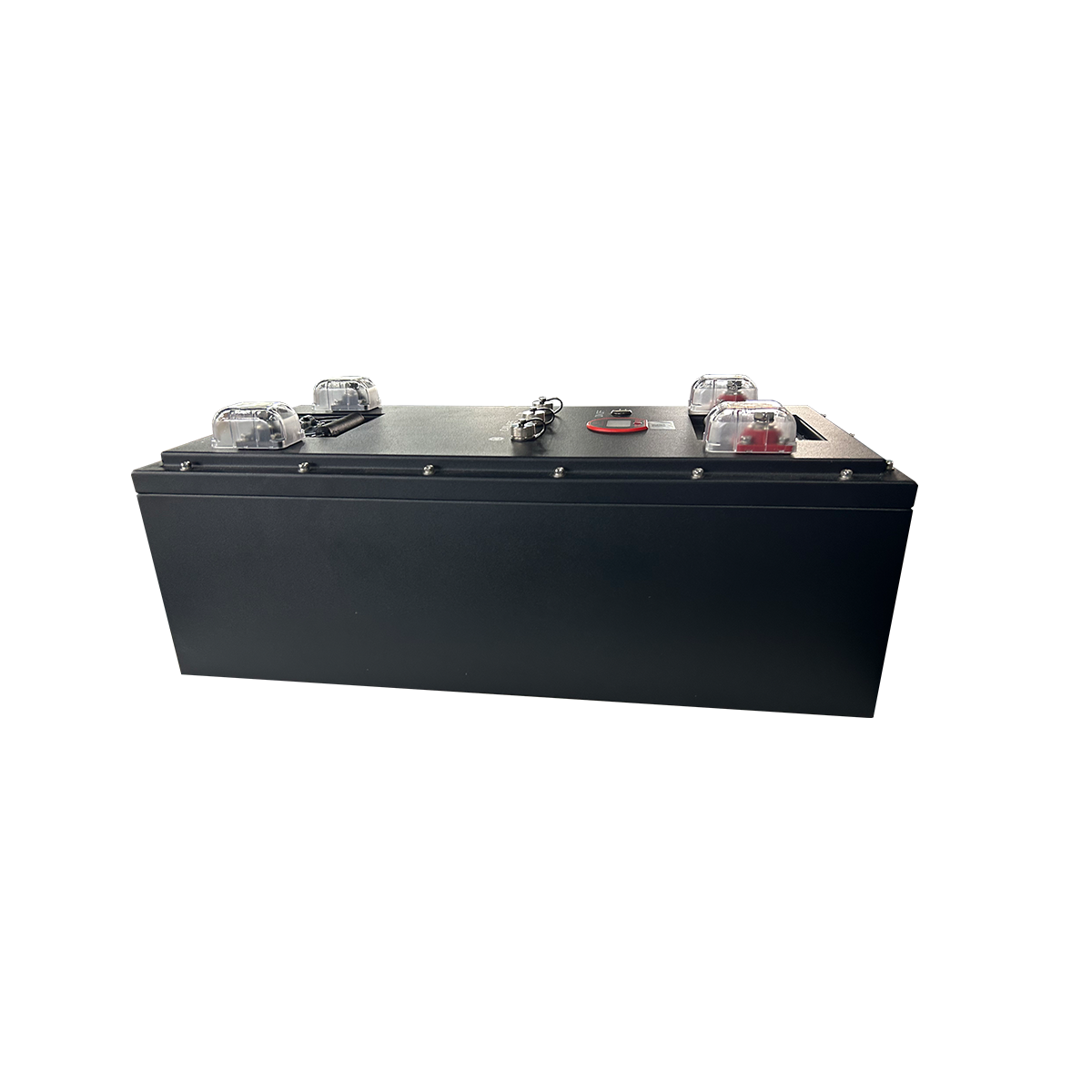
7.3 Battery Examples for Industrial Applications
8. How to Select a Reliable Forklift Battery Manufacturer?
8.1 Battery Manufacturing and Engineering Capabilities
8.2 Product Quality and Safety
8.3 OEM and ODM Customization
8.4 Technical Support
8.5 Project and Delivery Capability
9. Frequently Asked Questions About Forklift Batteries
Conclusion
Best Selling Product



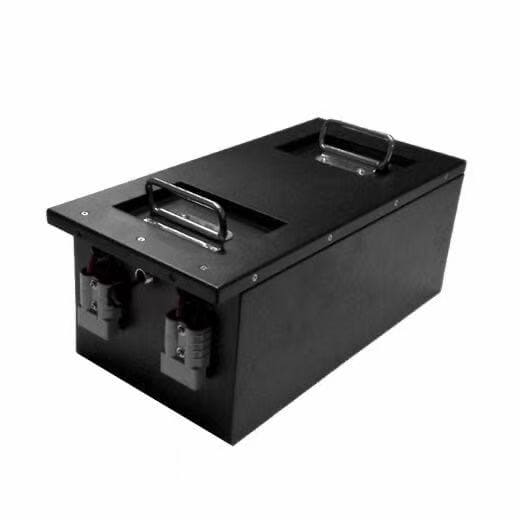
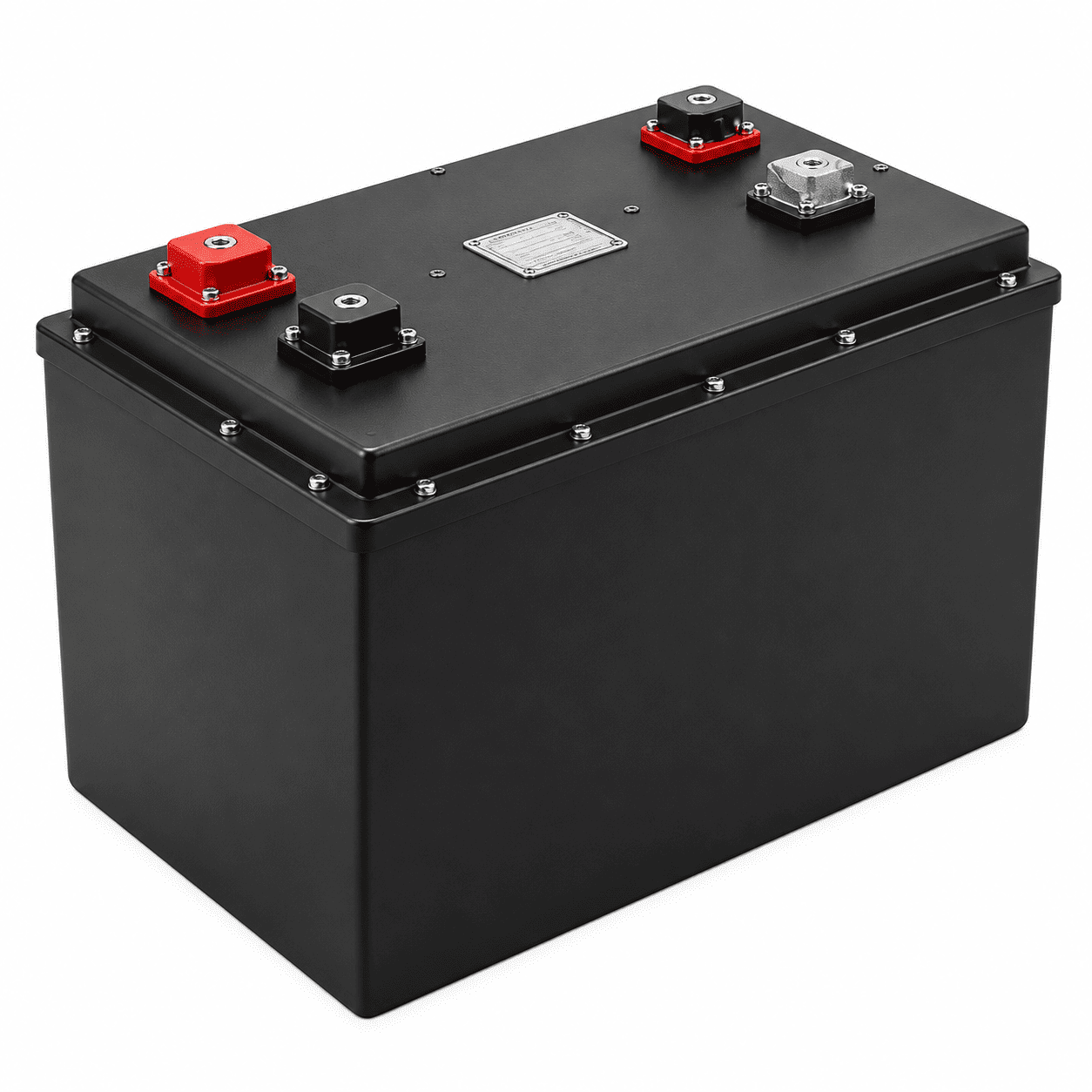
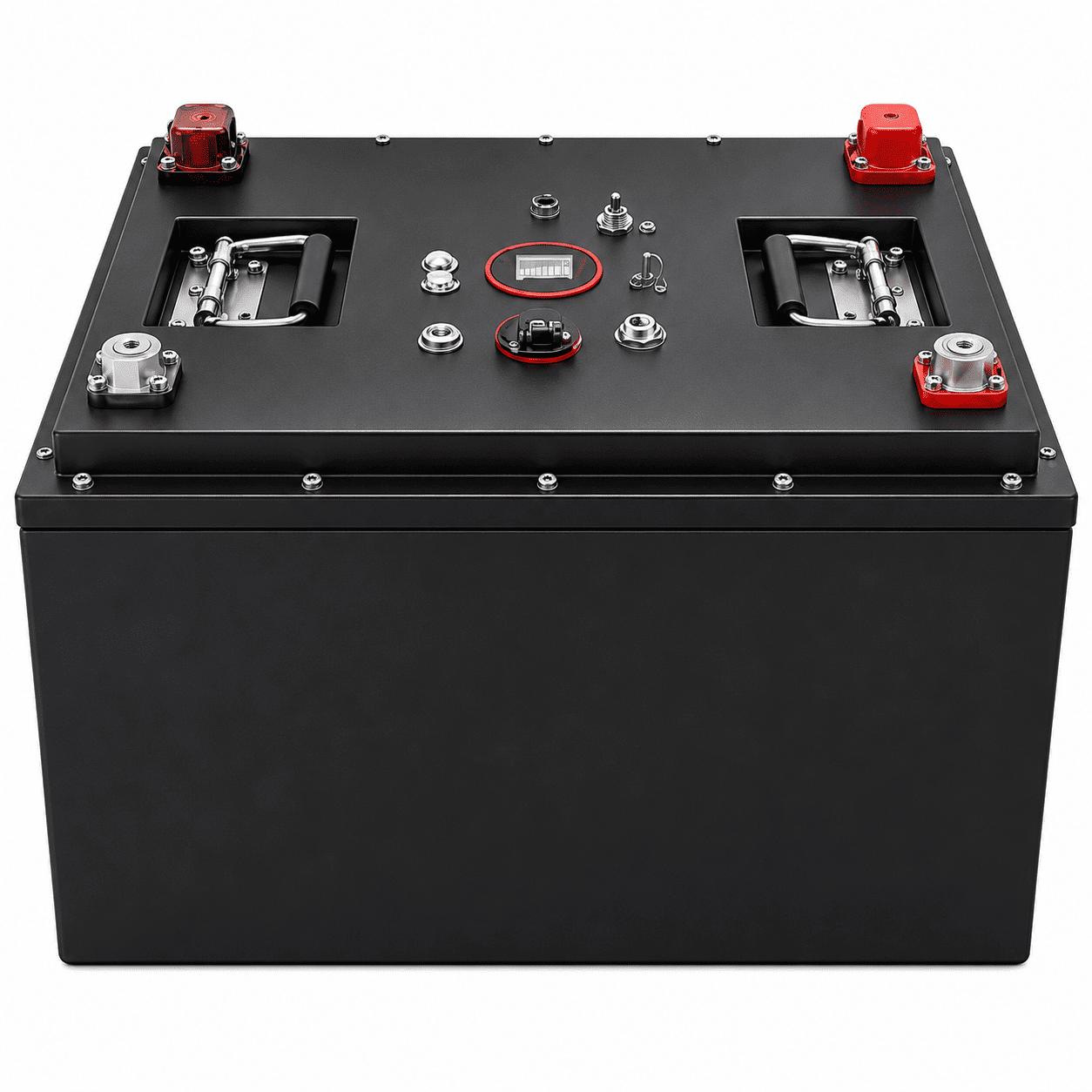
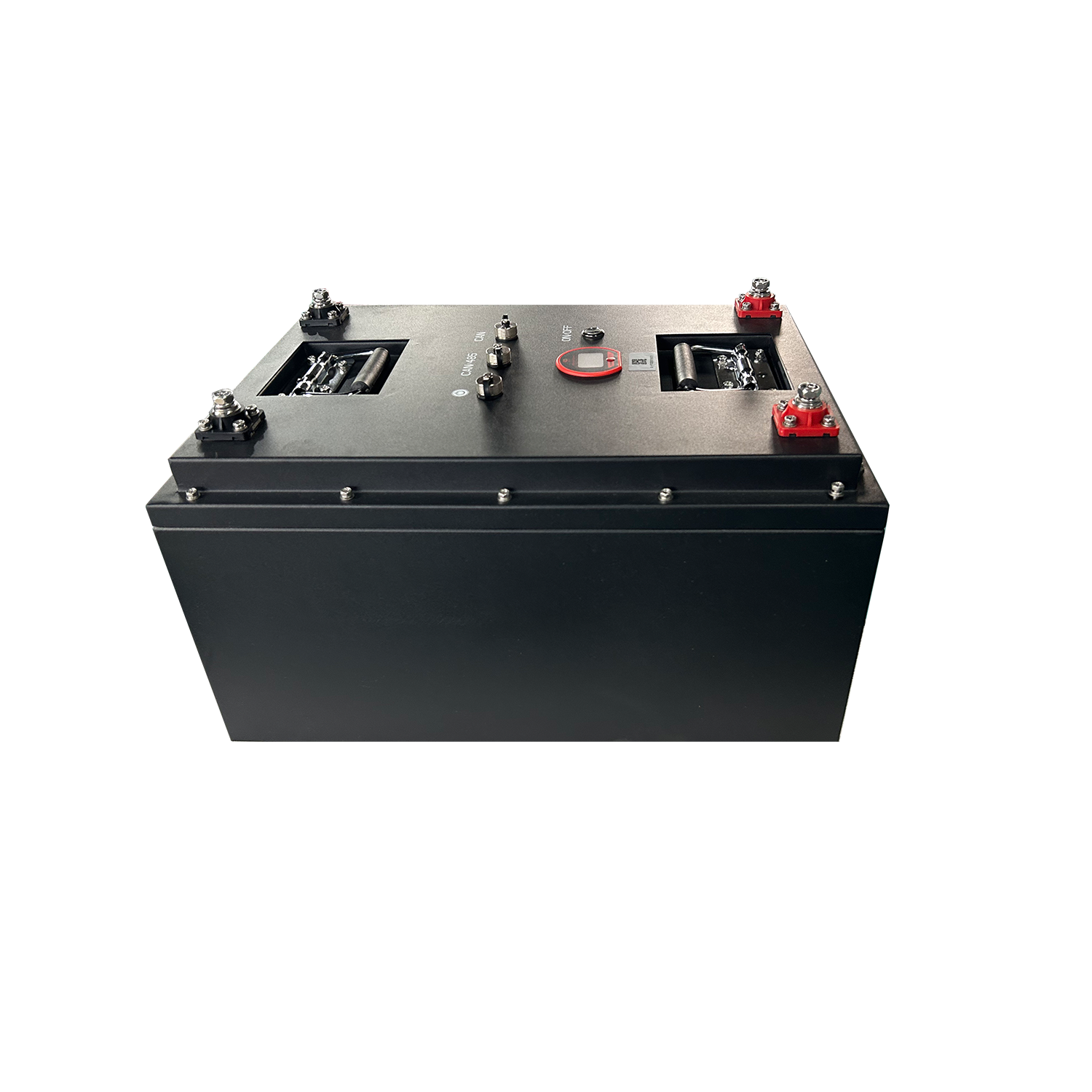


Would you like to talk to us about your battery project?

+0086 075527616594

sylcin02@sylcin.com

Room 1701, Building A, Zhongan Science and Technology Park, Dalang Street, Longhua District, Shenzhen