


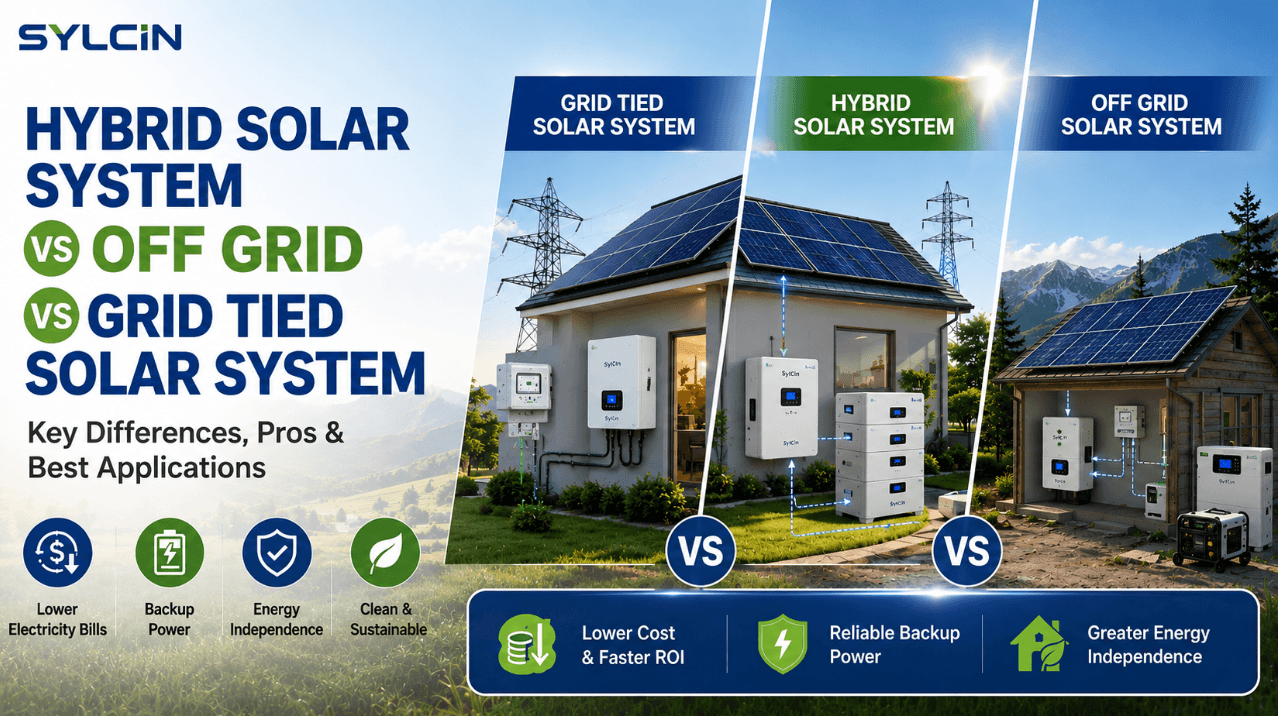
Hybrid Solar System vs Off Grid vs Grid Tied Solar System: Key Differences You Should Know
Contents
- What Is a Grid-Tied Solar System?
- What Is an Off-Grid Solar System?
- What Is a Hybrid Solar System?
- Hybrid Solar System vs Off-Grid vs Grid-Tied Solar System
- Which Solar System Is Right for You?
- Why Home Battery Storage Is Becoming Essential
- Advantages of LiFePO4 Battery Storage in Hybrid Solar Systems
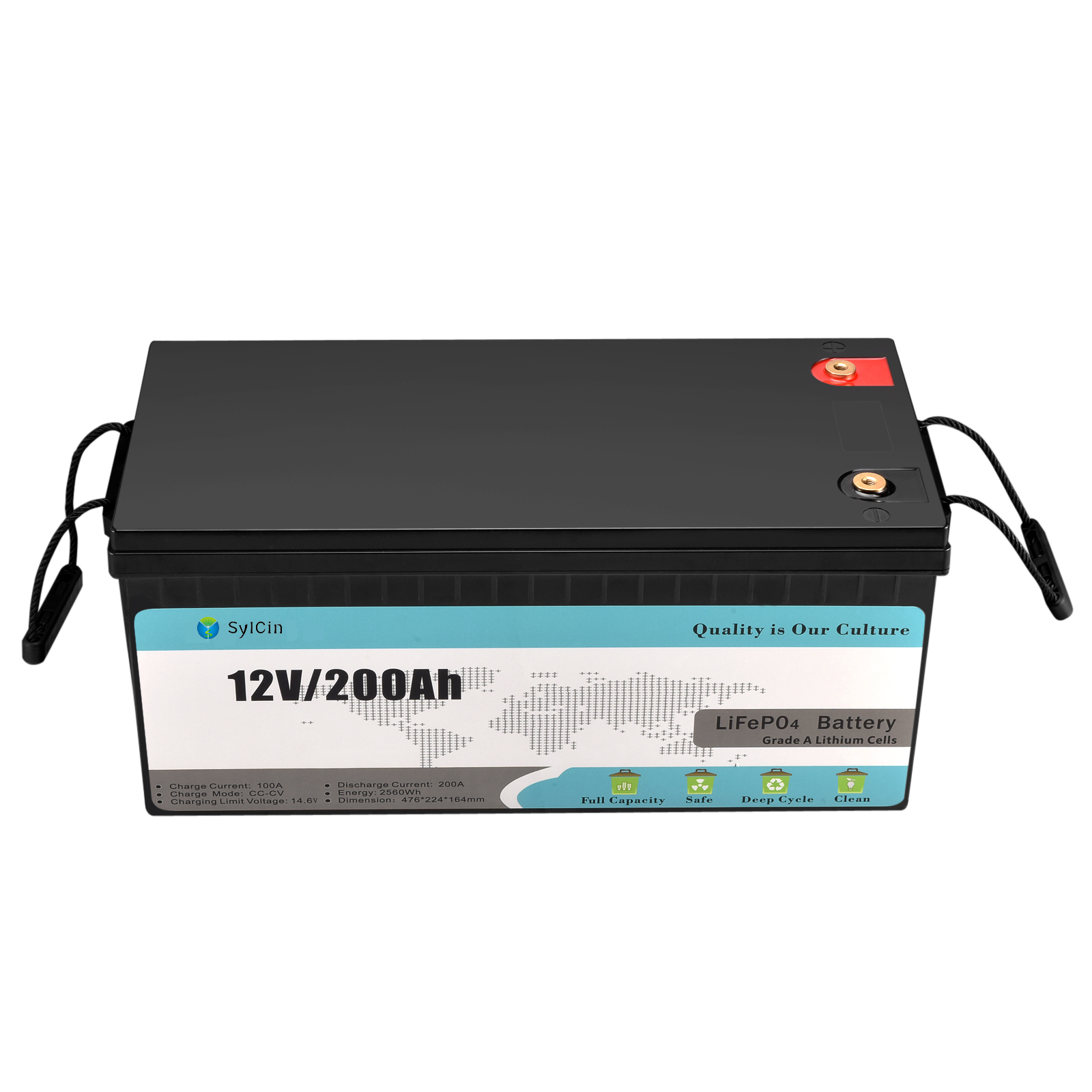
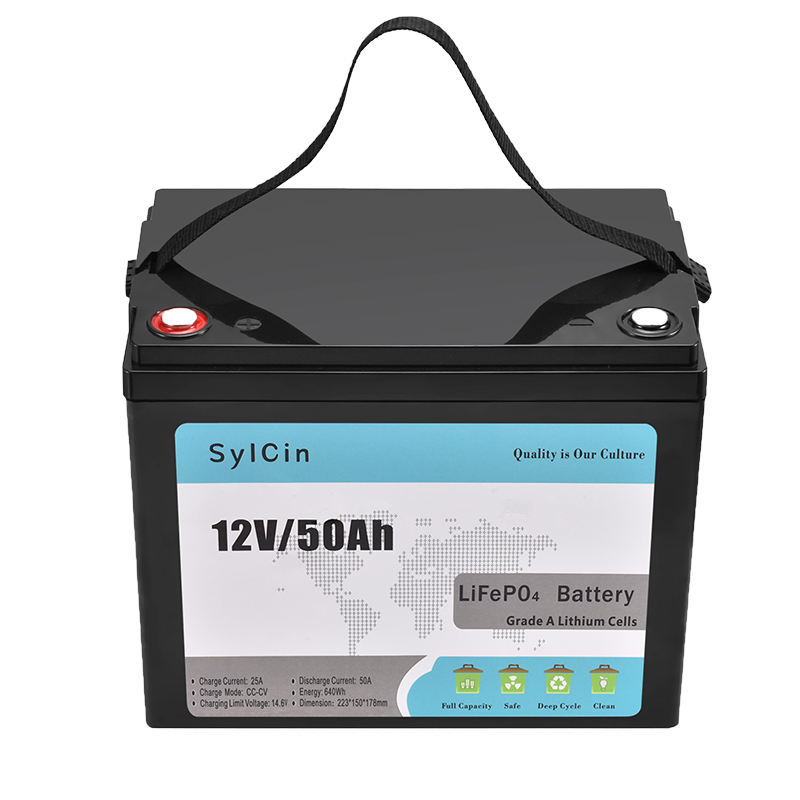
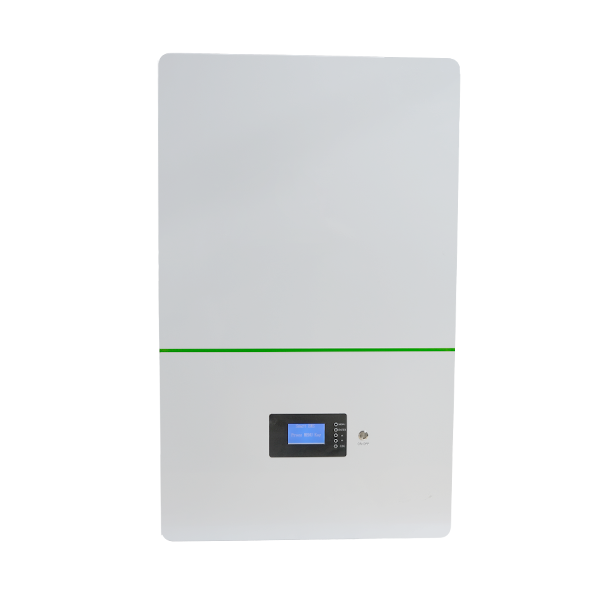
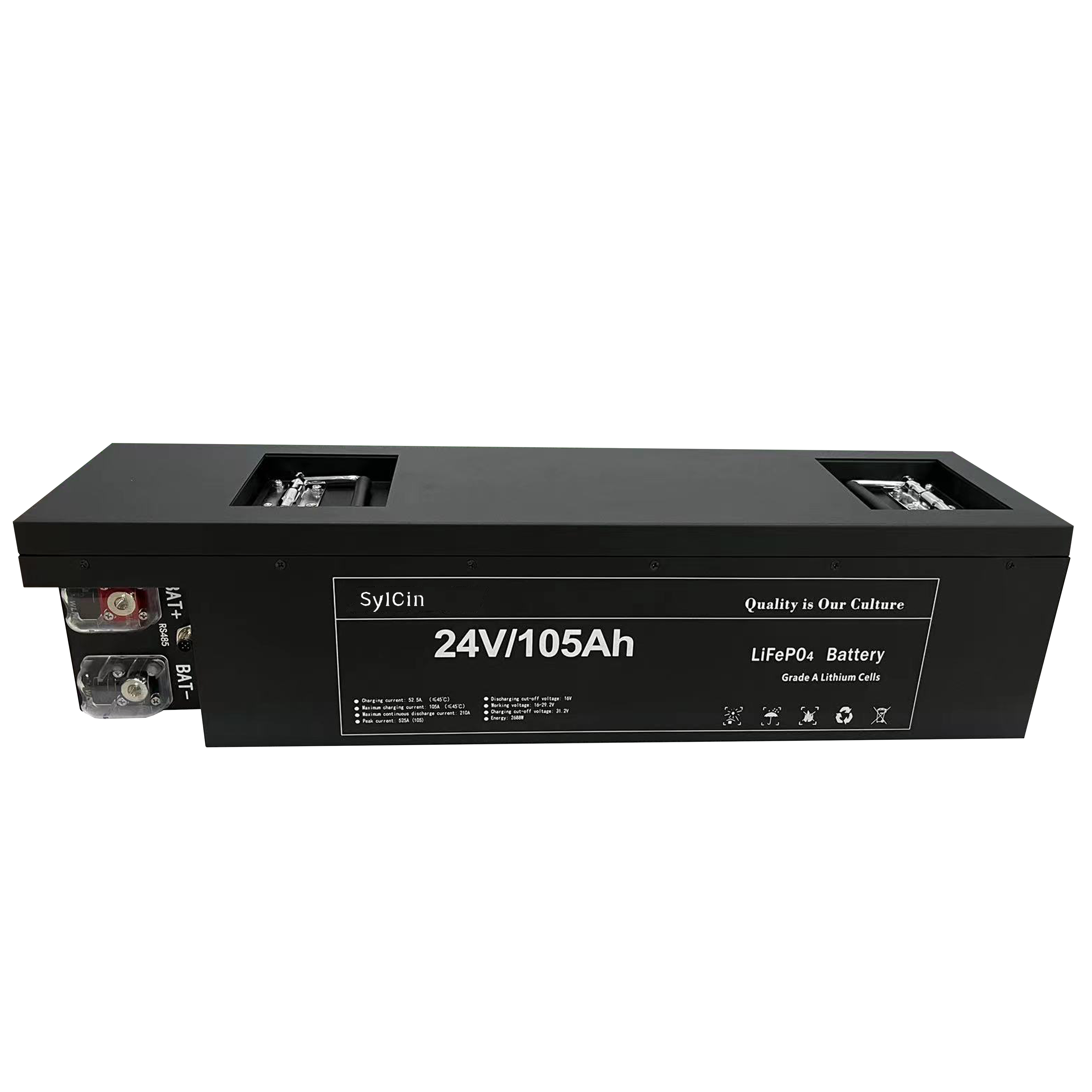
- Recommended Battery Solutions for Hybrid Solar Systems
- FAQ
- Conclusion
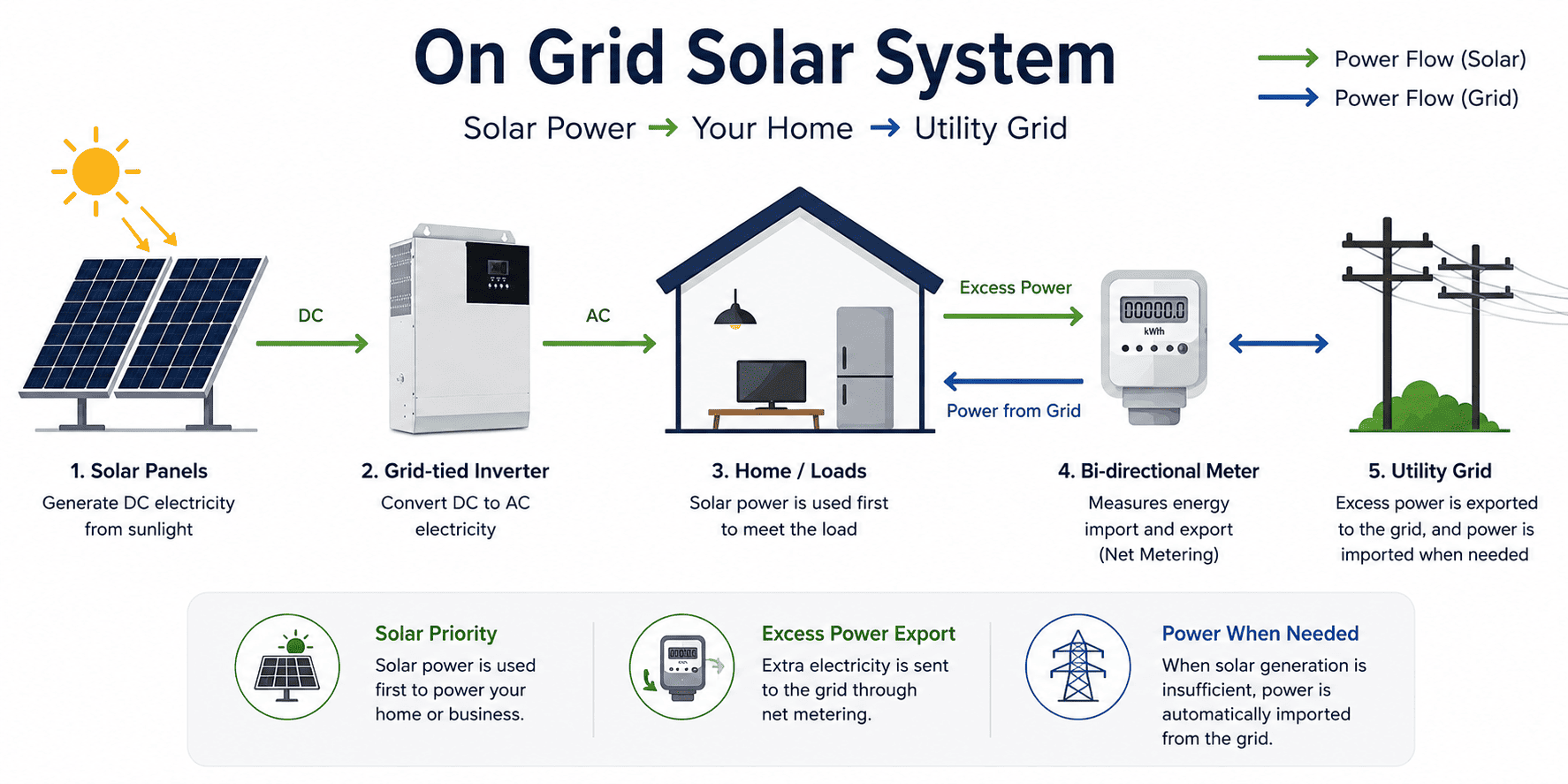
What Is an On Grid Solar System?
How Does a Grid Tied Solar System Work?
A grid tied solar system mainly consists of:
- Solar panels
- Grid-tied inverter
- Utility meter
- Distribution cabinet
- Utility grid
Advantages of Grid-Tied Solar Systems
1. Lower Upfront Cost
Typical Upfront Cost Comparison
| System Type | Relative Upfront Investment |
|---|---|
| Grid-Tied Solar System | Lowest |
| Hybrid Solar System | Higher (Battery Storage Required) |
| Off-Grid Solar System | Highest (Battery Storage + Backup Equipment Required) |
2. Faster Return on Investment
Typical residential systems achieve a payback period of approximately 4–8 years, depending on local electricity rates, incentives, and solar production.
3. Simple Maintenance
With proper maintenance, solar panels can operate efficiently for 25–30 years.
Disadvantages of Grid-Tied Solar Systems
1. No Backup Power During Grid Outages
2. Dependence on the Utility Grid
Best Applications for Grid-Tied Solar Systems
| Application | Recommended |
|---|---|
| Urban Homes | ✅ Excellent |
| Commercial Buildings | ✅ Excellent |
| Factories | ✅ Excellent |
| Office Buildings | ✅ Excellent |
| Rural Areas with Unstable Grid | ❌ Not Recommended |
| Remote Areas Without Grid Access | ❌ Choose Off-Grid Instead |
What Is an Off-Grid Solar System?
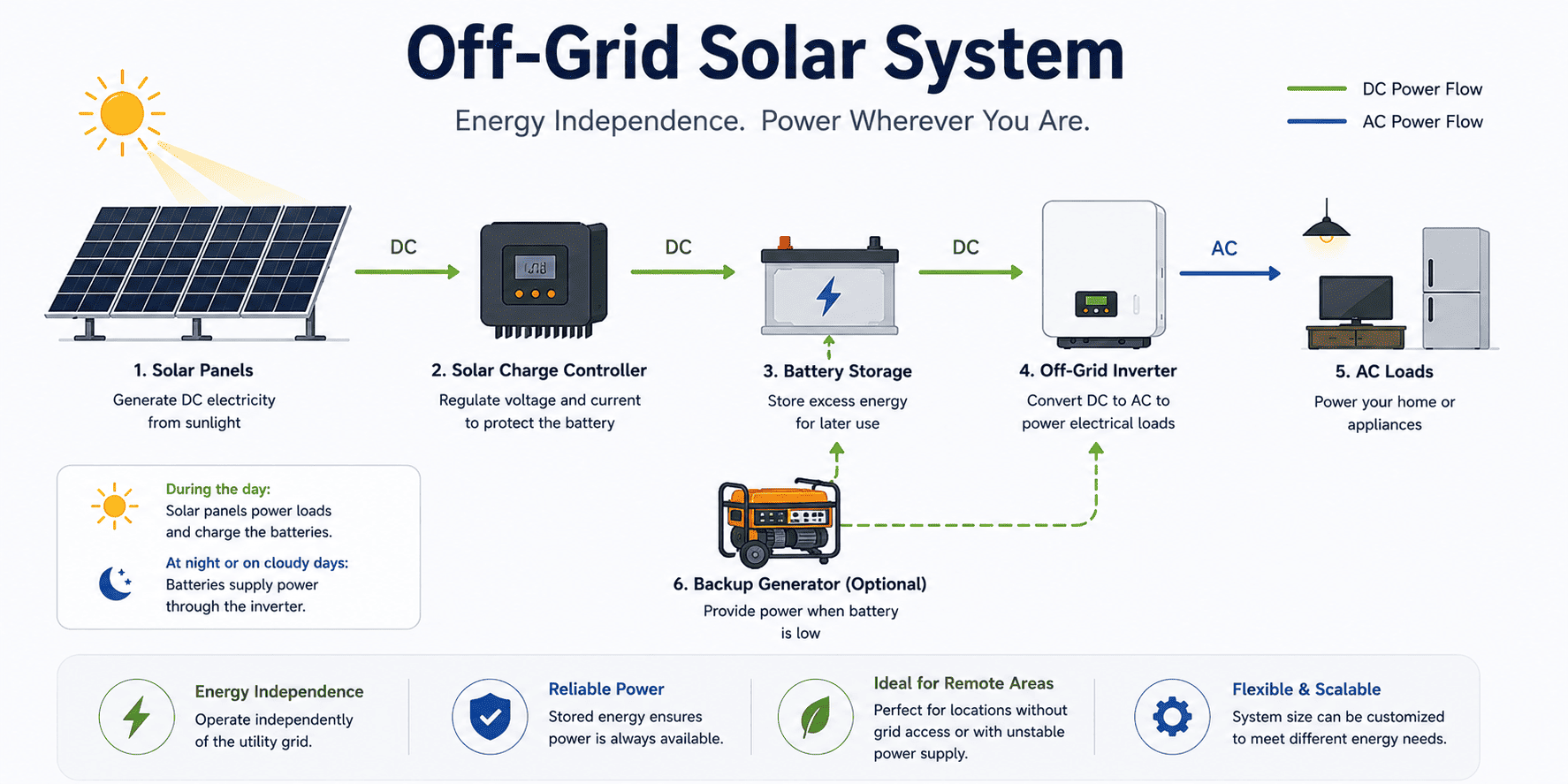
How Does an Off-Grid Solar System Work?
A typical off-grid solar system consists of:
* Off-grid inverter
* Solar charge controller
* Battery storage system
* Backup generator (optional)
Advantages of Off-Grid Solar Systems
2. Ideal for Remote Locations
3. Reliable Power During Grid Outages
Disadvantages of Off-Grid Solar Systems
1 . Higher Initial Investment
2. More Complex System Design
3. Limited Use of Excess Energy
Best Applications for Off-Grid Solar Systems
Best Applications for Off-Grid Solar Systems
| Application | Why Off-Grid Is Suitable |
|---|---|
| Remote Homes & Cabins | Reliable electricity where utility power is unavailable. |
| Rural Communities | Cost-effective alternative to extending grid lines. |
| Farms & Ranches | Powers irrigation systems, pumps, lighting, and equipment. |
| Islands | Reduces reliance on diesel generators and fuel transport. |
| Telecommunication Towers | Provides stable 24/7 power for communication equipment. |
| Construction & Mining Sites | Portable power for temporary or remote operations. |
| Water Pumping Systems | Ideal for agricultural irrigation and livestock water supply. |
| Emergency & Disaster Relief | Supplies independent electricity during natural disasters and grid outages. |
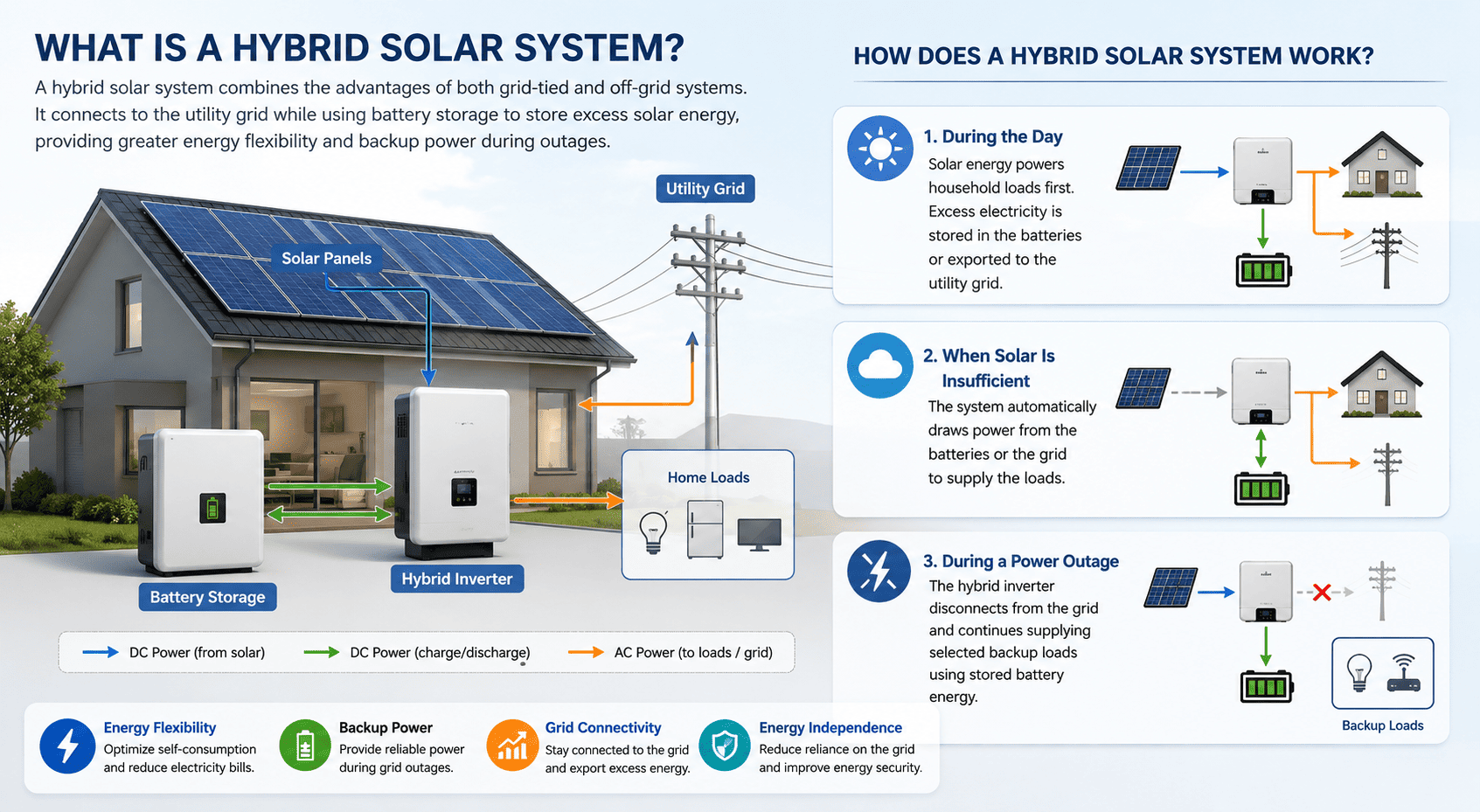
What Is a Hybrid Solar System?
A hybrid solar system typically includes:
- Solar panels
- Hybrid inverter
- Battery storage
Advantages of Hybrid Solar Systems
1. Backup Power During Outages
2. Greater Energy Flexibility
3. Lower Grid Dependence
Disadvantages of Hybrid Solar Systems
1. Higher Initial Investment
2. More Complex System Design
Best Applications for Hybrid Solar Systems
-
Residential Homes – Lower electricity bills and reliable backup power.
-
Commercial Buildings – Protect critical equipment during outages.
-
Small Businesses – Reduce operating costs and improve power reliability.
-
Areas with Frequent Power Outages – Maintain electricity during blackouts.
-
Regions with High Electricity Prices – Maximize solar self-consumption.
-
Homes with Time-of-Use (TOU) Tariffs – Store energy for peak-rate periods.
-
Rural Properties with Grid Access – Reduce dependence on the utility grid.
-
Healthcare and Emergency Facilities – Ensure continuous power for essential loads.
Hybrid Solar System vs Off-Grid vs Grid-Tied Solar System
|
Feature
|
Hybrid Solar System + Battery Storage
|
Grid-Tied Solar System
|
Off-Grid Solar System
|
|---|---|---|---|
|
Utility Grid Connection
|
Required
|
Required
|
Not Required
|
|
Battery Storage
|
Required
|
Optional
|
Required
|
|
Backup Power During Outages
|
✅ Yes
|
❌ No
|
✅ Yes
|
|
Energy Independence
|
High
|
Low
|
Complete
|
|
Solar Self-Consumption
|
60–90%
|
20–50%
|
Up to 100%
|
|
Power Source at Night
|
Battery First, Grid Backup
|
Utility Grid
|
Batteries Only
|
|
Installation Cost
|
Medium
|
Lowest
|
Highest
|
|
Typical Battery Capacity
|
5–30 kWh
|
Usually None
|
10–100+ kWh
|
|
Best for Electricity Savings
|
⭐⭐⭐⭐⭐
|
⭐⭐⭐⭐☆
|
⭐⭐☆☆☆
|
|
Best for Backup Power
|
⭐⭐⭐⭐⭐
|
⭐☆☆☆☆
|
⭐⭐⭐⭐⭐
|
|
Best for Remote Areas
|
⭐⭐☆☆☆
|
❌
|
⭐⭐⭐⭐⭐
|
|
Recommended for Most Homes
|
⭐⭐⭐⭐⭐
|
⭐⭐⭐
|
⭐⭐
|
Quick Summary
|
System Type |
Main Advantage |
Main Limitation |
|
Grid-Tied Solar System |
Lowest installation cost and fastest ROI |
No backup power during outages |
|
Hybrid Solar System |
Energy savings combined with battery backup |
Higher initial investment |
|
Off-Grid Solar System |
Complete energy independence |
Requires larger battery capacity and higher investment |
Which Solar System Is Right for You?
Scenario 1: Stable Grid and Lowest Upfront Cost
-
Lowest installation cost
-
Fastest payback period
-
Simple system architecture
-
Minimal maintenance
Scenario 2: Frequent Power Outages and Rising Electricity Costs
-
Solar panels
-
Hybrid inverter
-
Battery storage
-
Utility grid connection
-
Solar array: 5–20kW
-
Battery storage: 5–30kWh
-
Backup duration: 4–24 hours depending on load demand
Scenario 3: No Utility Grid Available
-
Remote cabins
-
Farms
-
Telecom stations
-
Mining operations
-
Islands
-
Rural communities
-
Solar capacity: 3–30kW+
-
Battery storage: 10–100kWh+
-
Backup autonomy: 1–3 days
Why Home Battery Storage Is Becoming Essential
-
Refrigerators
-
Lighting
-
Internet equipment
-
Security systems
-
Medical devices
Why LiFePO4 Batteries Are the Preferred Choice
-
Lead-acid batteries: 500–1,500 cycles
-
LiFePO4 batteries: 6,000+ cycles
-
80–95% Depth of Discharge (DoD)
-
Overcharge protection
-
Over-discharge protection
-
Short-circuit protection
-
Temperature protection
-
Cell balancing
-
Minimal Maintenance
Recommended Battery Solutions for Hybrid Solar Systems
FAQ
What Is the Difference Between a Hybrid Solar System and an Off-Grid Solar System?
Which Solar System Is Best for Home Use?
Can a Grid-Tied Solar System Work During a Power Outage?
How Much Battery Storage Do I Need for a Hybrid Solar System?
* 10–20kWh for medium-sized homes
* 20–40kWh for large homes or extended backup
Why Are LiFePO4 Batteries Better Than Lead-Acid Batteries?
Can I Upgrade an Existing Grid-Tied Solar System with Battery Storage?
Are Hybrid Solar Systems Worth the Investment?
What Battery Solutions Does Sylcin Offer?
How Long Do Home Battery Storage Systems Last?
What Is the Best Battery for a Hybrid Solar System?
About the Author
Senior New Energy Engineer
Best Selling Product








Would you like to talk to us about your battery project?

+0086 075527616594

sylcin02@sylcin.com

Room 1701, Building A, Zhongan Science and Technology Park, Dalang Street, Longhua District, Shenzhen