


What Kind of Battery Does a Forklift Use ? A Complete Guide to Forklift Batteries in 2026

- What kind of battery does a forklift use?
- What is the difference between a lead-acid battery and a lithium battery?
- Which battery technology is best for my operation?
- How do I choose the right forklift battery capacity?
What Is a Forklift Battery?
Lead-Acid Forklift Batteries
- Lower upfront cost
- Proven and mature technology
- Requires regular watering and maintenance
- Longer charging time
- Lower energy density
Lithium-Ion Forklift Batteries
Key Features
- Longer cycle life
- Faster charging
- Maintenance-free operation
- Higher energy efficiency
- Opportunity charging capability
Battery Lifespan
Benefits of Longer Lifespan
- Fewer battery replacements
- Lower long-term costs
- Reduced equipment downtime
Charging Efficiency
- 8 hours of charging
- 8 hours of cooling
Why Faster Charging Matters
- Increased forklift availability
- Improved operational efficiency
- Reduced need for spare batteries
Maintenance Requirements
- Regular watering
- Electrolyte inspection
- Corrosion cleaning
Cost Savings
- Labor costs
- Downtime
- Safety risks
Energy Efficiency
Why Is LiFePO4 the Preferred Forklift Battery Technology?
Superior Safety
Key Safety Benefits
- Enhanced fire resistance
- Improved thermal management
- Greater operational safety
Longer Cycle Life
Better Environmental Adaptability
- Warehouses
- Manufacturing plants
- Ports
- Cold storage facilities
Battery Cells
- Grade A LiFePO4 cells
- High consistency manufacturing
- Long-life cell technology
Battery Management System (BMS)
Functions of a BMS
- Voltage monitoring
- Current monitoring
- Temperature monitoring
- Overcharge protection
- Over-discharge protection
- Short-circuit protection
Battery Enclosure and Protection Structure
- Heavy-duty steel enclosures
- Anti-vibration design
- High IP protection ratings
CAN Bus Communication System
Advantages
- Real-time data transmission
- Battery status monitoring
- Fault diagnostics
- Remote management
How to Choose the Right Forklift Battery
Choose the Correct Voltage
- 24V Forklift Battery
- 36V Forklift Battery
- 48V Forklift Battery
- 72V Forklift Battery
- 80V Forklift Battery
Determine the Required Forklift Battery Capacity
- Daily operating hours
- Number of shifts
- Load weight
- Work intensity
- Cold storage applications
- Port operations
- Manufacturing facilities
- Automated warehouses
Verify Certifications
- UN38.3
- IEC62619
- CE
- RoHS
Why Are More Companies Switching to Lithium Forklift Batteries?
Increased Productivity
Reduced Maintenance Costs
Longer Service Life
Lower Energy Consumption
Smart Battery Management
Future Trends in Forklift Battery Technology
Smart BMS Systems
AI Predictive Maintenance
Remote Monitoring Platforms
Integration with Automation Systems
- AGVs
- AMRs
- Smart warehouses
- Automated logistics systems
Conclusion
- Longer lifespan
- Higher efficiency
- Faster charging
- Lower maintenance costs
- Improved safety
Related Articles
- How to Calculate Forklift Battery Capacity
- Forklift Battery Maintenance Guide
- Advantages of Lithium Forklift Batteries
- Custom Forklift Battery Solutions
FAQ
Q1: What type of battery is used in a forklift?
A: Most electric forklifts use either lead-acid batteries or lithium-ion batteries. LiFePO4 lithium batteries are becoming increasingly popular due to their longer lifespan, faster charging, and lower maintenance requirements.
Q2: How long does a forklift battery last?
A: Lead-acid batteries typically last 1,000–1,500 cycles, while lithium forklift batteries can last 3,000–6,000 cycles or more.
Q3: How do I choose the right forklift battery capacity?
A: Forklift battery capacity depends on operating hours, load weight, work intensity, and the number of shifts per day.
Q4: Are lithium forklift batteries better than lead-acid batteries?
A: Yes. Lithium forklift batteries offer higher efficiency, faster charging, longer lifespan, and lower maintenance costs than traditional lead-acid batteries.
Best Selling Product






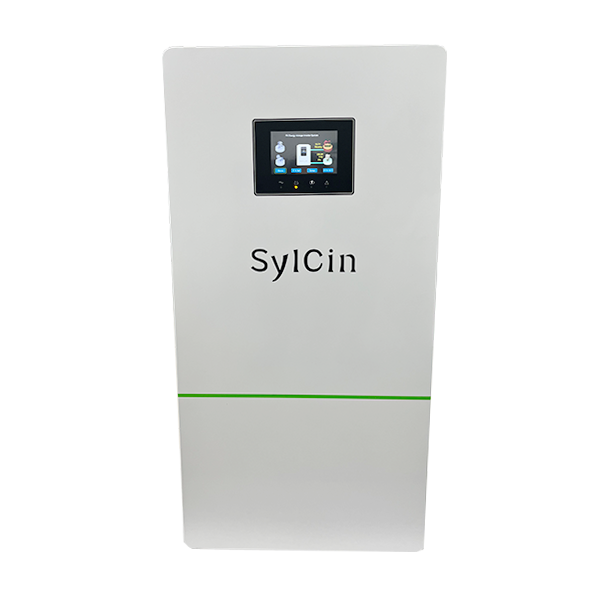
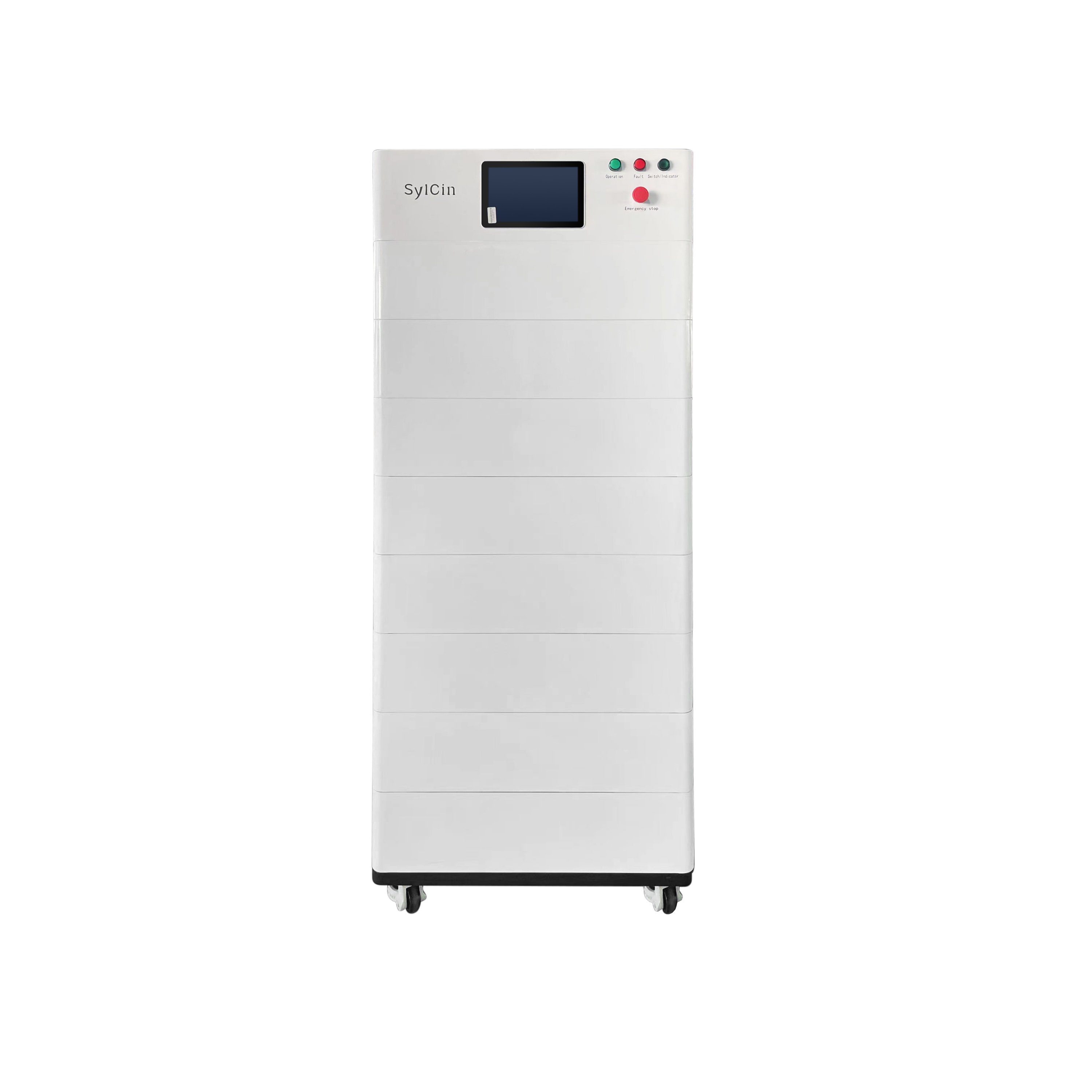
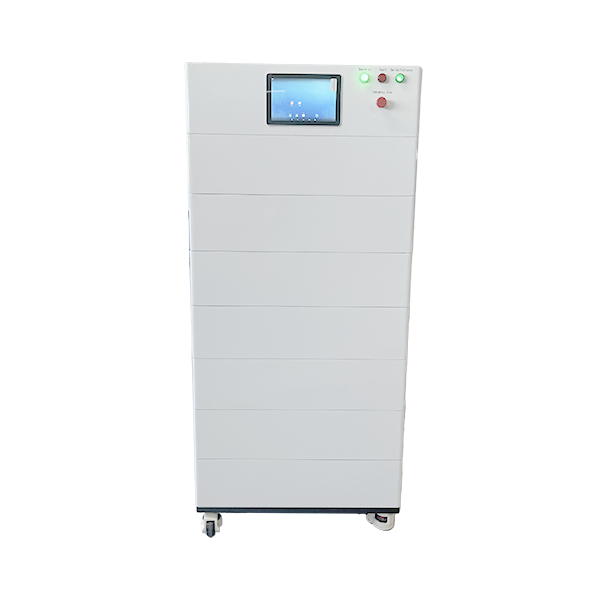


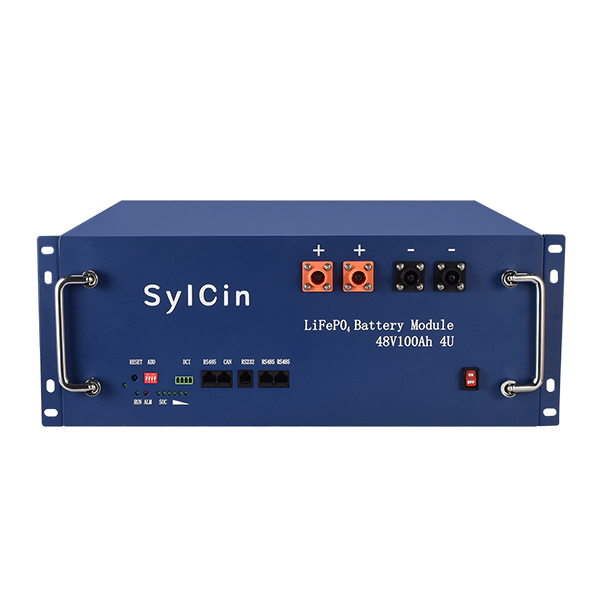
Would you like to talk to us about your battery project?

+0086 075527616594

sylcin02@sylcin.com

Room 1701, Building A, Zhongan Science and Technology Park, Dalang Street, Longhua District, Shenzhen