


How Long Does a 24V Lithium Battery Last?
2025-12-19
A Practical Runtime Guide for Trolling Motors and Electric Boats
— and How SylCin Helps You Choose the Right Battery
When choosing a 24 volt lithium battery, most users are ultimately asking one simple question:
How long will this battery actually run in real use?
For typical marine applications such as trolling motors and electric boats, runtime is never a fixed number.
It is not determined solely by the battery's rated capacity, but by how the entire system consumes power under real operating conditions.
If you have ever noticed that:
-
Someone else can run the same 24V battery all day
-
While your setup only lasts a few hours
The issue is often not battery quality, but whether the runtime judgment logic is correct.
The Starting Point of All Runtime Calculations: A Simple but Often Misused Formula
Before discussing any details, it is important to clarify the fundamental logic behind 24 volt lithium battery runtime:
Runtime (hours) ≈ Battery Capacity (Ah) ÷ Actual Working Current (A)
This formula is simple, yet it is the foundation of every accurate runtime estimate.
The real challenge is this:
-
Where does the actual working current come from?
-
Why do different users calculate completely different runtimes with the same battery?
The answer lies in the four key factors explained below.
1. Is the Trolling Motor Load Clearly Defined?
The First Step in Any Runtime Judgment
Many users start by asking:
“How many amp-hours do I need for my trolling motor?”
But if the real motor load is unclear, the question itself has no reliable answer.
In marine applications, power consumption is not fixed. It depends on multiple variables, including:
-
Motor thrust rating
-
Water current, wind resistance, and boat weight
-
Actual operating power range during use
For example, under high-load conditions, typical current draw for common 24V trolling motors is approximately:
24V 55 lb thrust: ~35 A
24V 80 lb thrust: ~50 A
24V 112 lb thrust: ~60 A
If motor load is not clearly understood, any runtime calculation that follows is essentially guesswork.
2. Is the 24V Battery Truly Matched to the Motor — Not Just “Voltage Compatible”?
A common assumption is:
“The motor is 24V, the battery is 24V — so they match.”
In reality, voltage alone is not enough.
A truly compatible 24 volt lithium battery must meet at least three conditions:
-
Support the continuous discharge current required by the motor
-
Maintain stable voltage under high load
-
Deliver most of its rated capacity under marine operating conditions
If continuous discharge capability is insufficient, common issues include:
-
Noticeable voltage drop during acceleration
-
Early BMS protection during long runs
-
Actual usable capacity far lower than the rated Ah
This is why two 24V 200Ah lithium batteries from different designs can deliver vastly different real-world runtimes.
3. Is the 24V Battery System Efficient?
Why “Calculated Capacity” Often Cannot Be Fully Used
In marine systems, runtime losses do not occur only inside the battery.
Often-overlooked factors that silently reduce runtime include:
-
Undersized cables or excessive cable length
-
High-resistance connectors
-
Significant voltage drop under high current
In high-power trolling motor systems, these losses can easily shorten runtime by 10–20%.
Even if the calculation is correct, poor system efficiency will cause real runtime to fall well below expectations.
4. Is the Usage Pattern Reasonable?
Why Operating Behavior Often Matters More Than Battery Size
The final — and most underestimated — factor is how the system is used.
In real marine conditions, motor power consumption is not linear:
-
Full-throttle operation often consumes 2–3× more power than cruising
-
Frequent starts, stops, and rapid acceleration increase average load
-
Headwinds and strong currents keep the motor in high-load zones
This explains why:
-
The same 24 volt lithium battery may last all day at cruising speed
-
But only a few hours when operated mostly at high throttle
Runtime is not decided once — it is continuously shaped during operation.
From Theory to Reality: Real-World Runtime of a SylCin 24V Lithium Battery
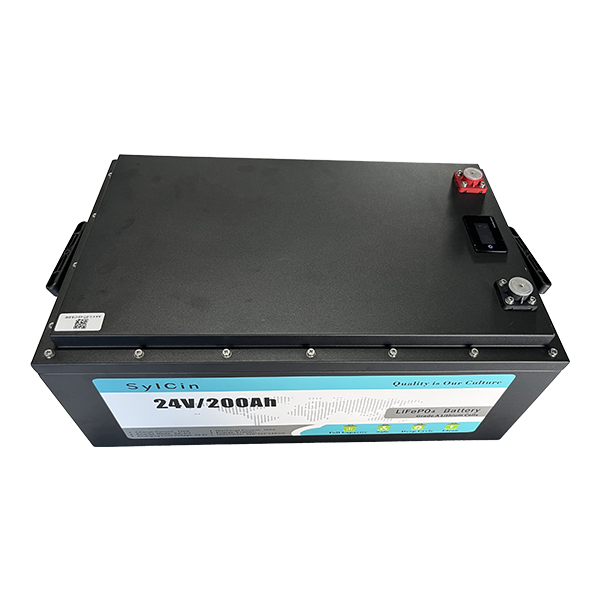
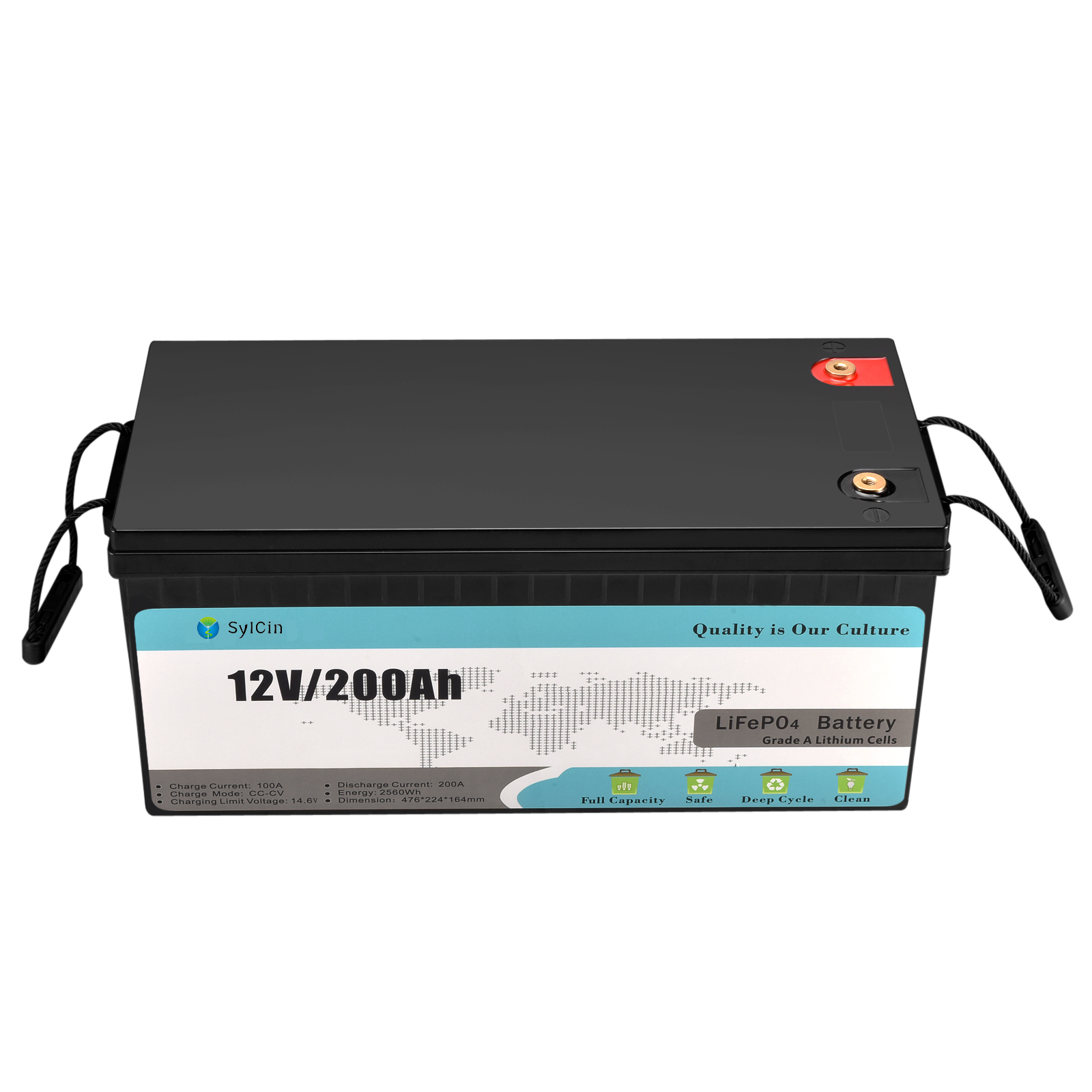
Take the SylCin 24V 200Ah lithium battery as an example.
Theoretical energy: 24V × 200Ah = 4.8 kWh
How that 4.8 kWh is consumed depends entirely on motor type and usage.
Scenario 1: Medium-Thrust Motor, Mostly Cruising
-
Power consumption: 800–1000 W
-
Runtime: ~4.8–6 hours
-
Ideal for long cruising, positioning, and slow movement
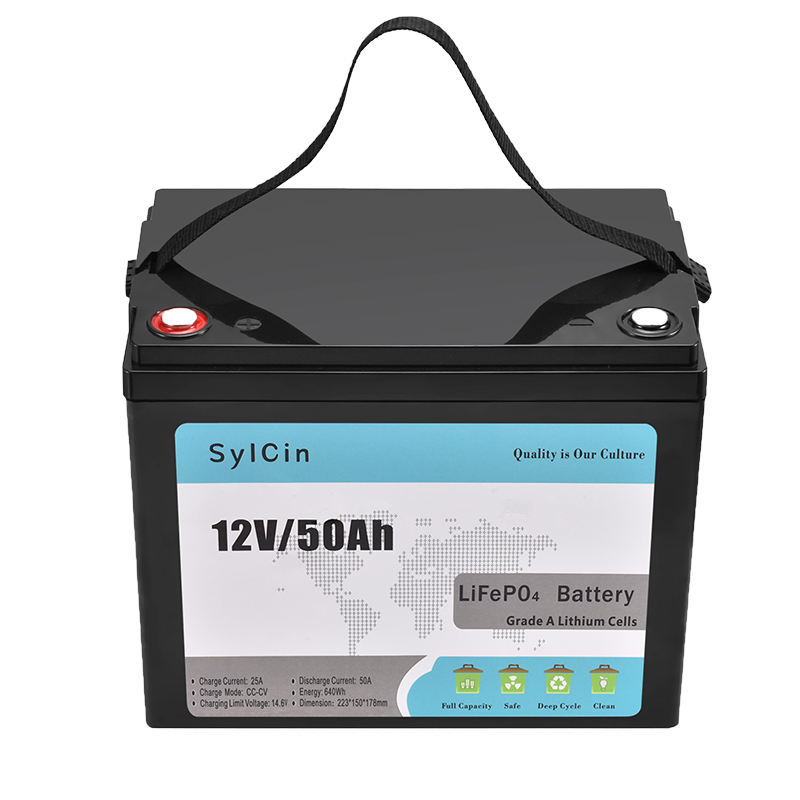
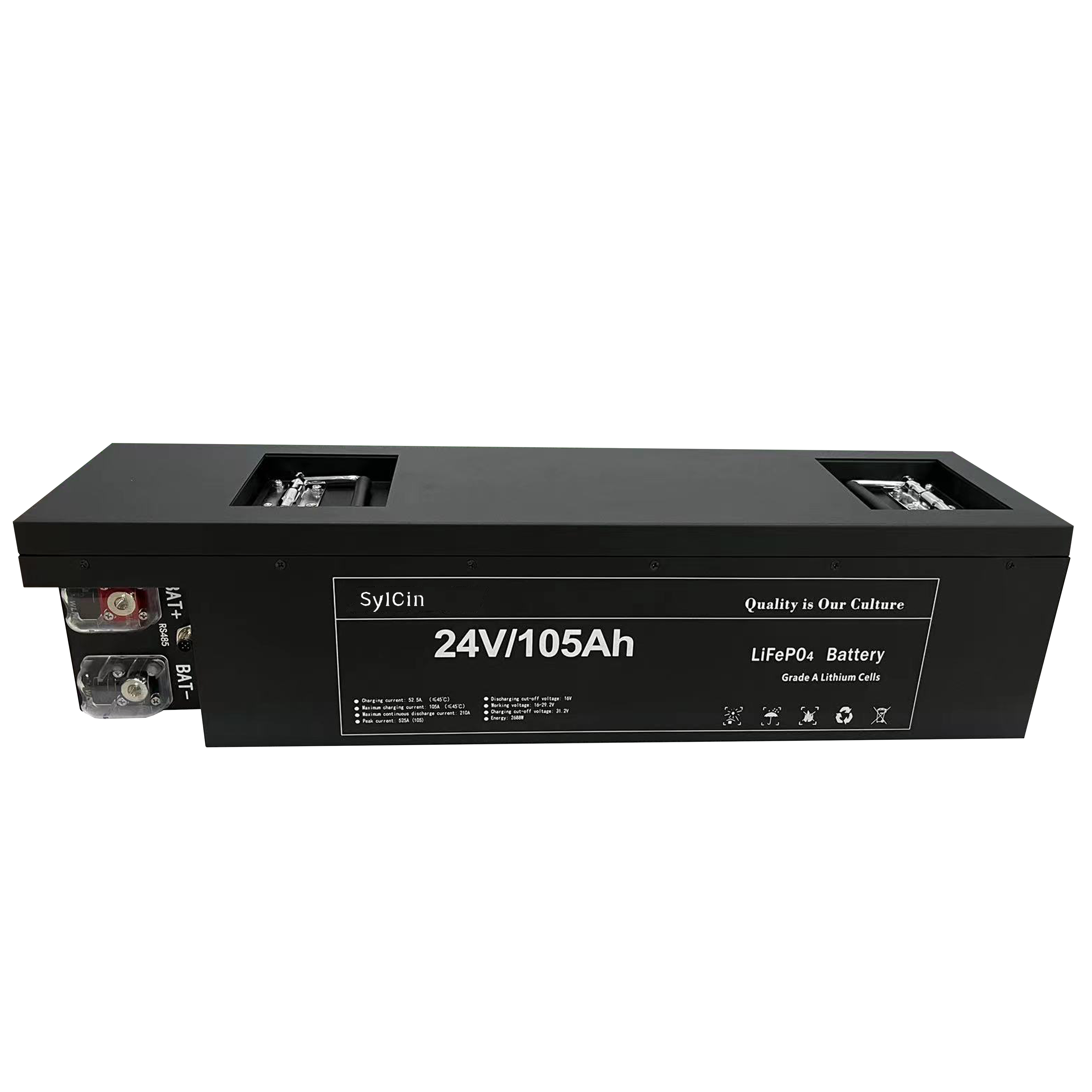
- For users running medium-thrust trolling motors at cruising speeds, a 24V 100Ah lithium battery often provides a good balance between runtime, weight, and system efficiency.
Scenario 2: High-Thrust Motor, Mixed Operation
-
Average power: ~1500 W
-
Runtime: ~2.5–3 hours
-
Balanced choice between thrust and endurance
- This mixed-use scenario is where a 24V 200Ah lithium battery becomes the most common and flexible choice, offering sufficient capacity for higher thrust motors while still maintaining practical runtime for extended outings.
Scenario 3: High-Thrust Motor, Extended High Throttle
-
Power consumption: 2500–3000 W
-
Runtime: usually under 1.5 hours
-
The most common reason users feel runtime is “shorter than expected”
Why SylCin 24V Lithium Batteries Are Better Suited for Marine Motors
Unlike batteries rated only by nominal capacity, SylCin 24 volt lithium batteries are designed specifically for continuous high-current marine discharge.
Key advantages include:
-
Stable voltage output under heavy load
-
Low internal resistance for higher energy efficiency
-
Marine-grade BMS with comprehensive protection
-
Consistent performance across cruising and high-load operation
The difference is not better numbers on paper —it is more usable runtime in real water conditions.
Quick Runtime Reference (SylCin)
| Motor Thrust | Typical Current | 24V 100Ah | 24V 200Ah |
|---|---|---|---|
| 55 lb | ~35 A | ~2.8 h | ~5.7 h |
| 80 lb | ~50 A | ~2.0 h | ~4.0 h |
| 112 lb | ~60 A | ~1.6 h | ~3.3 h |
Low-speed operation can increase runtime by approximately 30–60%.
Recommended 24V Lithium Battery Capacity by Application
Once motor load and usage style are clear, capacity selection becomes straightforward:
|
Application Scenario
|
Recommended Capacity
|
|---|---|
|
Short trips/Near-shore
|
24V 50Ah
|
|
Half-day cruising
|
24V 100Ah
|
|
Full-day operation/High thrust
|
24V 200Ah
|
SylCin Engineers' Selection Advice
Based on real marine projects, our recommendations are:
-
For motors ≥2000 W, always reserve capacity margin
-
Headwinds, currents, and frequent acceleration significantly increase consumption
-
For commercial, rental, and fishing fleets, capacity margin is safer than “just enough”
How Long Does a 24V Lithium Battery Last?
You Now Know How to Judge It
There is no single universal answer to the question:
“How long does a 24 volt lithium battery last?”
A reliable answer comes from four clear checks:
-
Is the motor load clearly defined?
-
Is the battery truly matched to the motor?
-
Is the system designed efficiently?
-
Is the usage pattern reasonable?
SylCin does not simply provide capacity numbers.
We deliver 24V lithium battery solutions engineered around real marine operating conditions and continuous discharge demands.
If you are selecting a 24 volt lithium battery for a trolling motor or electric boat,
contact SylCin for professional guidance based on your actual motor load and usage scenario.
How to Properly Charge a 24V Lithium Battery for Trolling Motors and Electric Boats
Related Article

Learn what lithium battery communication is, how BMS exchanges data with inverters, chargers, and control systems, and why communication is essential for safe and intelligent battery operation.
What Is Lithium Battery Communication? How BMS Communication Works with Inverters and Battery Systems
Best Selling Product