


Grade A vs Grade B vs Disassembled Battery Cells:How to Choose the Right Lithium Cell Battery?
2026-01-08
Why Do Similar Batteries Perform So Differently?
Why do two lithium batteries with identical specifications perform so differently in real-world use?
Their capacity, voltage, and power ratings may look the same—but in practice, one lithium cell battery delivers stable performance for years, while the other suffers from early degradation, safety concerns, or unexpected failure.
The answer lies where most users never look: inside the battery, at the quality grade of the individual cells. Battery cell grade directly determines how a lithium cell battery performs over time, influencing its lifespan, safety margin, and overall reliability.
In this article, we break down the real differences between Grade A, Grade B, and disassembled battery cells—and explain why professional energy systems are built exclusively with Grade A LiFePO4 cells.
What Are Battery Cell Grades?
In the battery industry, battery cell grading is a standardized method used to evaluate the quality and consistency of individual cells based on electrical testing data. These tests typically include capacity, voltage stability, internal resistance, and self-discharge rate.
This grading system helps users better understand the expected performance and reliability of a lithium cell battery before deployment. Based on measurable parameters such as capacity, internal resistance, and consistency, battery cells are generally categorized as Grade A, Grade B, or disassembled battery cells. Each category represents a different level of performance stability, safety assurance, and usable lifespan within a lithium cell battery system.
From a technical perspective, cell grading is not a marketing label but the result of statistical quality control. Even small deviations between cells can accumulate once they are connected in series or parallel, directly affecting how a lithium cell battery behaves under load.
What Is a Grade A Battery?
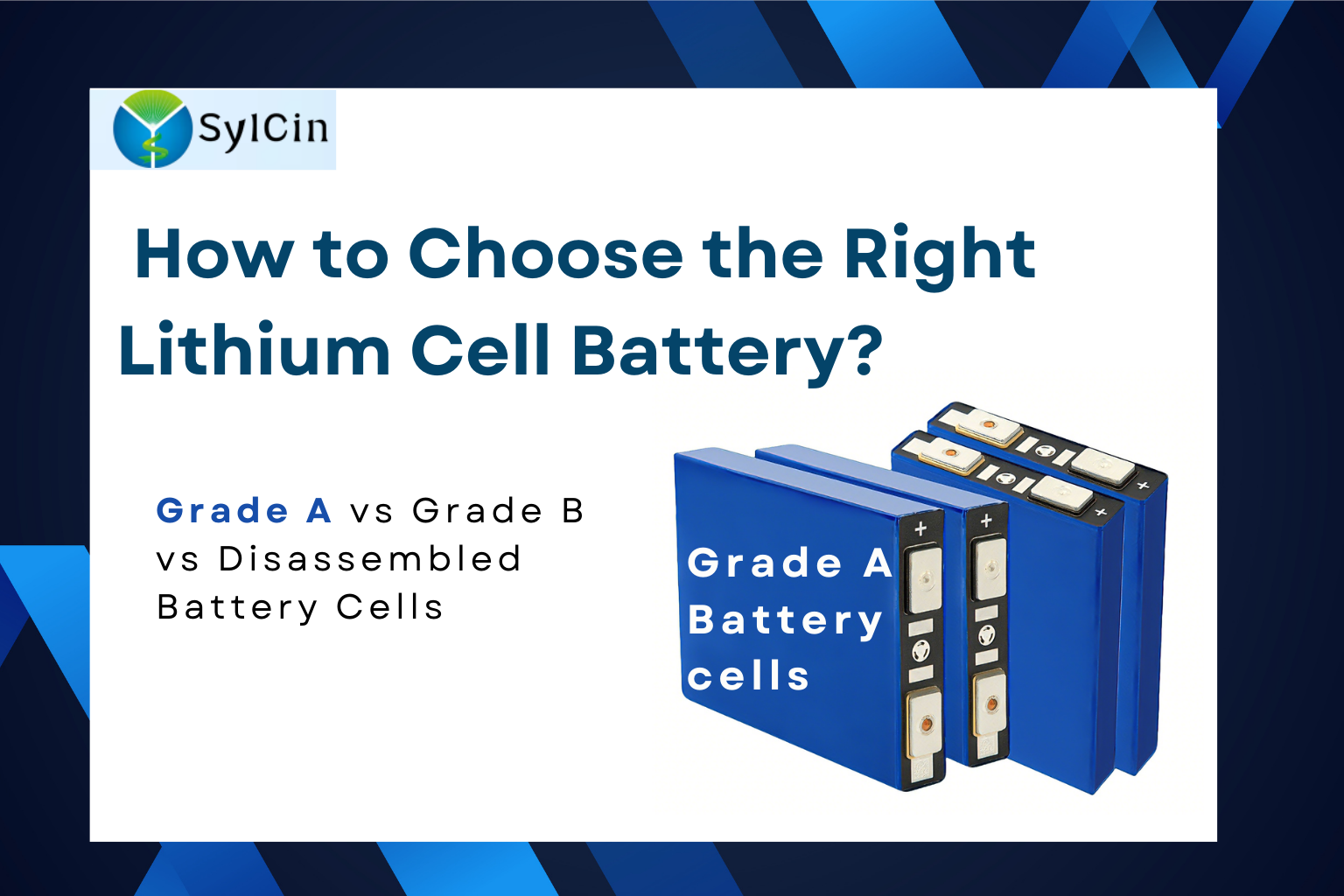
Grade A battery cells represent the highest quality level in the lithium battery industry. These cells are manufactured strictly according to original order specifications, using premium materials and tightly controlled production processes. Each cell undergoes comprehensive testing for capacity, voltage stability, and internal resistance to ensure uniformity.
This strict consistency is critical in any lithium cell battery designed for long-term or high-demand applications. When cells age at the same rate and operate within narrow electrical tolerances, system efficiency remains high, and safety risks are significantly reduced.
Applications such as energy storage systems, electric vehicles, and industrial power equipment rely on high-energy Class A battery cells to maintain stable output over thousands of charge–discharge cycles, forming a dependable lithium cell battery foundation for mission-critical use.
What Is a Grade B Battery?
Grade B battery cells are products with minor imperfections that occur during normal mass production. These imperfections may include small differences in capacity or slight dimensional deviations that do not fully meet original order specifications, although the cells remain functional.
Because defect rates are unavoidable in large-scale manufacturing, Grade B cells naturally exist in the supply chain. In some cases, cells originally classified as Grade A may be downgraded after being stored for several months. While such cells may still operate, they introduce higher uncertainty when used in a lithium cell battery intended for long-term service.
Grade B cells are commonly used in applications where a lower upfront cost is prioritized over consistency and lifespan in a lithium cell battery system.
What Are Disassembled Battery Cells?
Disassembled battery cells represent the highest risk category in the lithium battery supply chain. These cells are typically recovered from used or retired battery packs and reintroduced into the market after they are disassembled.
During their previous service life, disassembled cells have already experienced charge–discharge cycles, environmental stress, and varying load conditions. As a result, their remaining capacity, internal resistance, and aging behavior are often inconsistent and difficult to verify.
Due to degraded performance, limited safety margins, and unpredictable lifespan, disassembled cells are generally unsuitable for any dependable lithium cell battery system. They are not recommended for professional or long-term energy applications.
Grade A vs Grade B vs Disassembled Battery Cells
Understanding the differences between Grade A, Grade B, and disassembled battery cells is essential when selecting a reliable lithium cell battery. Although these cells may appear similar in basic specifications, their long-term behavior differs significantly.
|
Category |
Grade A Cells |
Grade B Cells |
Disassembled |
|
Production Quality |
Fully compliant |
Minor defects |
Degraded or aged |
|
Capacity Consistency |
High |
Moderate |
Low |
|
Internal Resistance |
Low and stable |
Slightly higher |
High and unstable |
|
Cycle Life |
3000–7000 cycles |
≤1000 cycles |
Very limited |
|
Safety Level |
High |
Moderate |
Low |
|
Typical Use |
EVs, ESS, industrial systems |
Low-demand devices |
Not recommended |
Choosing the wrong grade can significantly shorten the lifespan of a lithium cell battery and increase maintenance risk.
Why Grade A Cells Deliver Better Long-Term Value
Lower-grade cells may reduce initial purchase costs, but they often introduce hidden expenses throughout the lifecycle of a lithium cell battery.
-
Performance Degradation Costs
Grade B and disassembled cells experience faster capacity fade and greater imbalance. Over time, this causes a lithium cell battery to lose usable capacity earlier than expected, reducing system efficiency and accelerating replacement cycles.
-
Maintenance and Monitoring Burden
Inconsistent cells place higher demands on system management. A lithium cell battery built with lower-grade cells often requires more advanced balancing strategies, increased monitoring, and higher technical maintenance effort.
-
Safety and Compliance Risks
Cell quality directly affects certification approval, insurance acceptance, and regulatory compliance. Lower-grade cells increase operational risk in any lithium cell battery deployed in safety-critical environments.
Beyond the Cell: A Complete Battery Ecosystem
High-quality cells alone do not guarantee system reliability. A lithium cell battery must also be supported by intelligent system design, robust protection mechanisms, and proper integration.
Advanced battery management systems (BMS) continuously monitor voltage, temperature, and current to protect every lithium cell battery from overcharge, over-discharge, and thermal stress. Mechanical design also plays a key role, accounting for vibration, humidity, and long-term cycling conditions.
This system-level approach ensures that the inherent advantages of Grade A cells are fully realized throughout the operational life of a lithium cell battery.
Practical Buying Guide for Smart Buyers
When evaluating suppliers, always ask whether they can provide cell grading documentation or factory test reports. Warranty terms are another strong indicator of confidence in lithium cell battery quality.
Be cautious of products priced far below market averages. In many cases, cost savings come from compromises in cell grade that affect the entire lithium cell battery system.
Conclusion: Invest in Quality That Lasts
While lower-grade cells may reduce upfront costs, they often introduce higher operational risk and long-term expense. For projects that demand safety, consistency, and predictable performance, Grade A cells provide the most reliable foundation for any lithium cell battery.
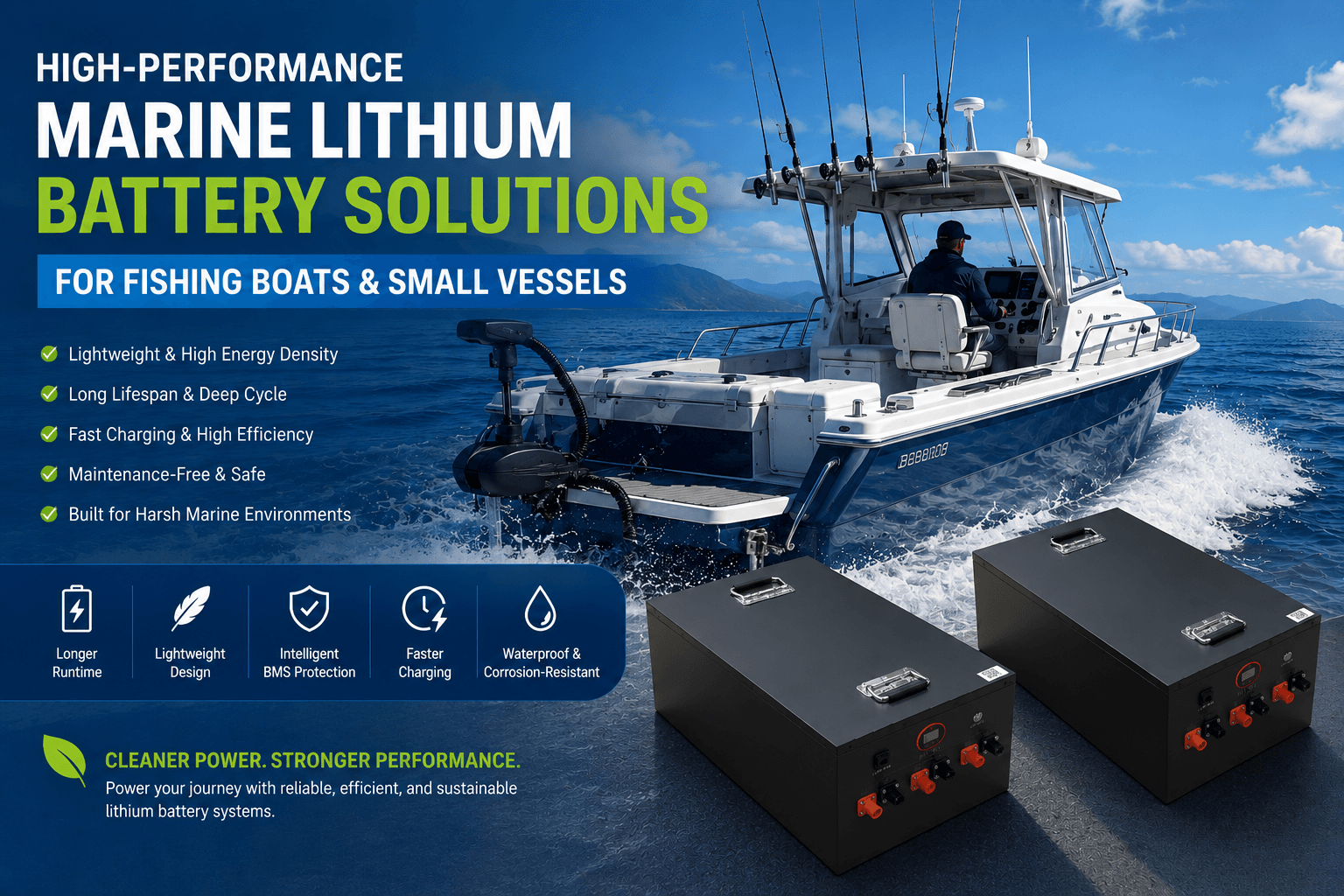
Sylcin delivers lithium cell battery solutions built exclusively with Grade A battery cells, prioritizing long-term value, safety, and stable performance—making them a smart investment for demanding energy applications. Designed for specific use cases, including solar energy storage, RV and marine systems, industrial equipment such as forklifts, and backup power installations, each lithium cell battery can be precisely engineered to meet application-specific electrical and environmental requirements through custom lithium battery solutions.
How to Choose the Best Lithium Battery for RV - Ultimate Guide for RV Owners
What Is an Off-Grid Solar System?
Related Article

Learn what lithium battery communication is, how BMS exchanges data with inverters, chargers, and control systems, and why communication is essential for safe and intelligent battery operation.
What Is Lithium Battery Communication? How BMS Communication Works with Inverters and Battery Systems


Best Selling Product








Would you like to talk to us about your battery project?

+0086 075527616594

sylcin02@sylcin.com

Room 1701, Building A, Zhongan Science and Technology Park, Dalang Street, Longhua District, Shenzhen