


What Is an Off-Grid Solar System?
Complete Guide for Remote & Weak-Grid Areas
For homes, farms, islands, and small businesses in remote or weak-grid regions, a standalone solar power system can mean energy independence, long-term cost savings, and reliable electricity where the grid simply cannot deliver.
1. What Is an Off-Grid Solar System?
-
Solar panels (PV modules)
-
A solar charge controller
-
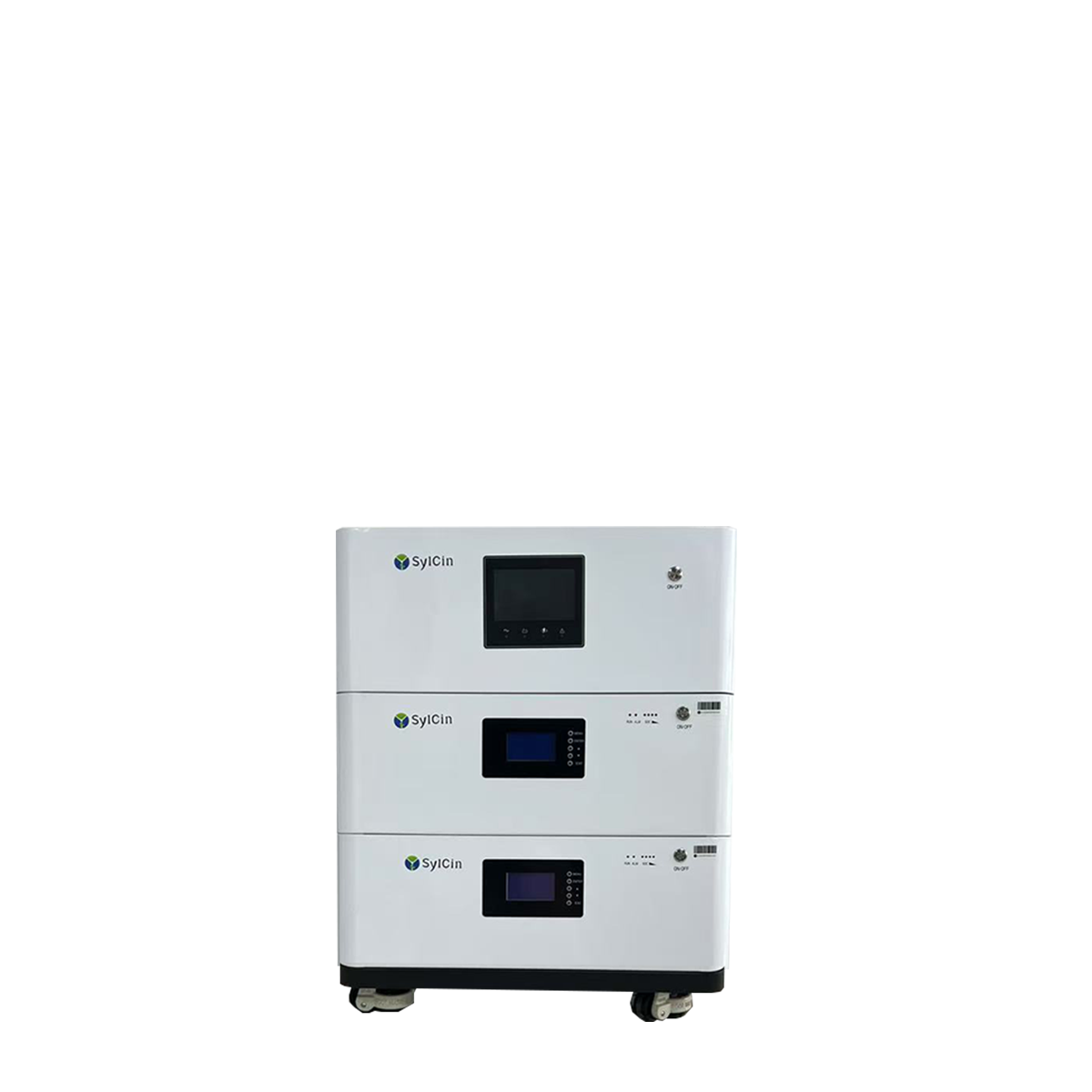
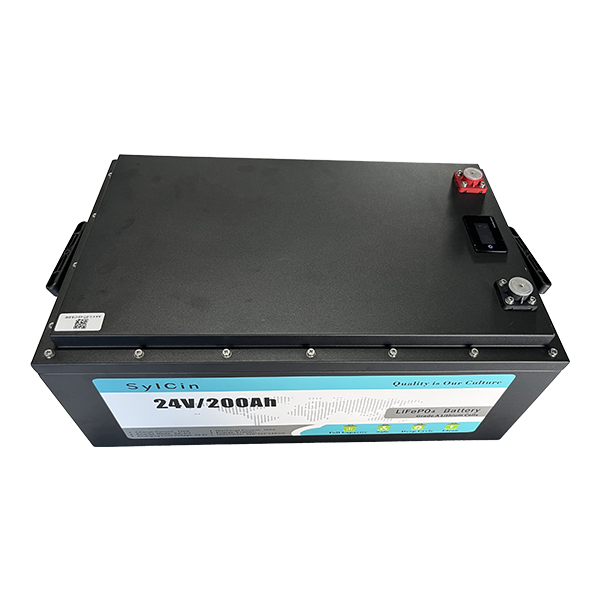
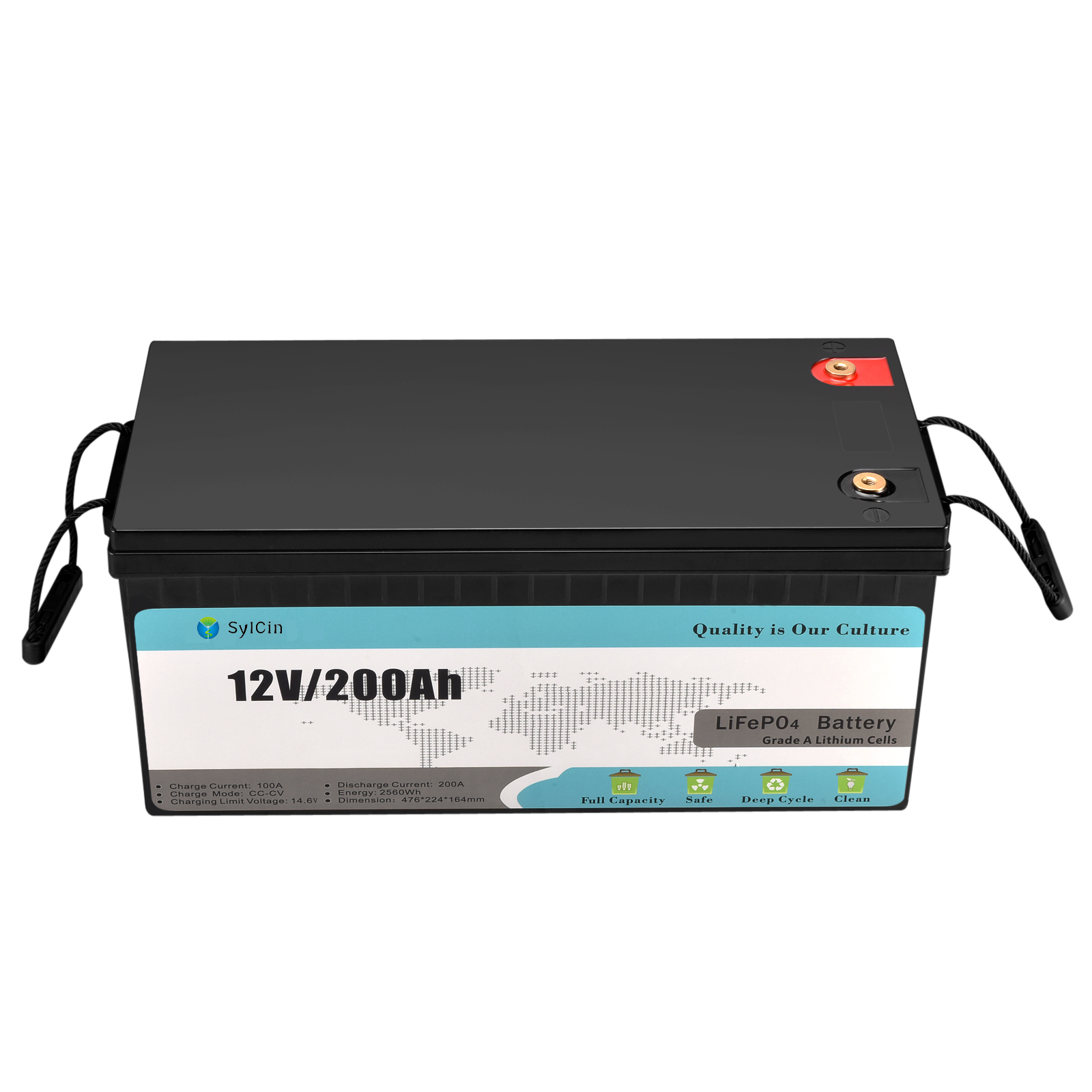
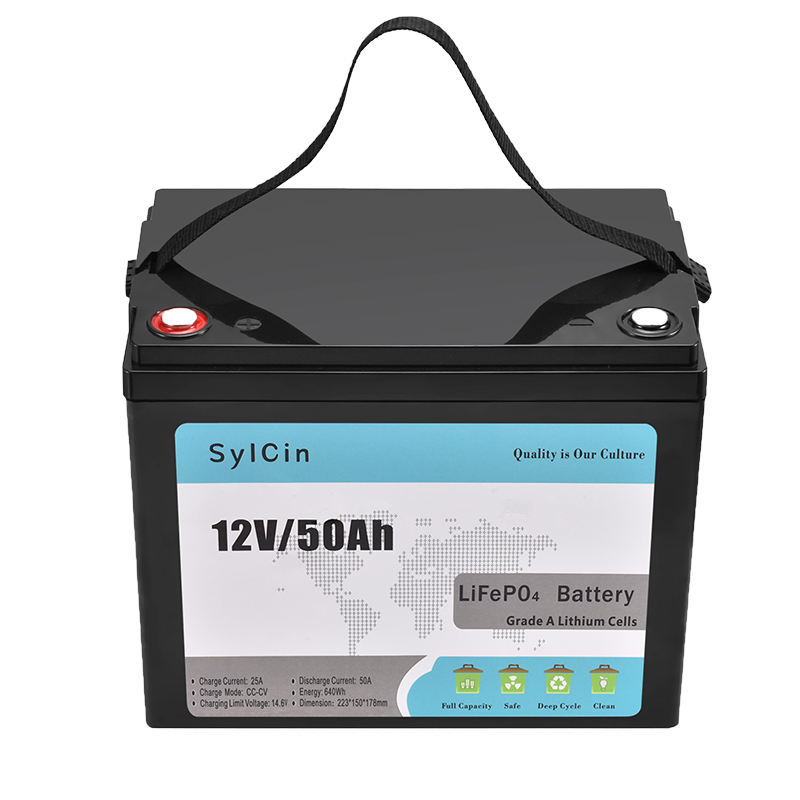
A battery energy storage system
-
An off-grid inverter
-
Optional backup sources (diesel generator, wind, etc.)
-
Areas with no grid access
-
Regions with frequent blackouts
-
Countries with unstable or weak power infrastructure
-
In markets such as Southeast Asia, Africa, the Middle East, islands, and rural Latin America, off-grid solar is often the only reliable power solution available.
2. Off-Grid vs On-Grid vs Hybrid Solar Systems
Comparison Table
|
Comparison Criteria
|
Off-Grid Solar System
|
On-Grid (Grid-Tied) Solar System
|
Hybrid Solar System
|
|
Grid connection
|
❌ Not connected to the utility grid
|
✅ Connected to the public grid
|
✅ Connected to the public grid
|
|
Battery requirement
|
✅ Battery storage required
|
❌ Usually no batteries (or minimal backup)
|
✅ Battery storage required
|
|
Energy independence
|
⭐⭐⭐⭐⭐ Fully independent
|
⭐ Highly grid-dependent
|
⭐⭐⭐ Partially independent
|
|
Impact of power outages
|
❌ Not affected by grid outages
|
❌ System shuts down during outages
|
⚠️ Can operate independently for a limited time
|
|
Upfront investment
|
Moderate to high
|
Low
|
High
|
|
System complexity
|
Medium
|
Low
|
High
|
|
Scalability
|
⭐⭐⭐⭐ Strong
|
⭐⭐ Limited
|
⭐⭐⭐⭐ Strong
|
|
Suitable locations
|
Remote areas, weak-grid regions
|
Areas with stable grid supply
|
Areas with relatively stable grids
|
|
Typical applications
|
Off-grid homes, farms, islands
|
Urban homes, commercial rooftops
|
High-end homes, small businesses
|
- Frequent power outages
- Unstable voltage
- No access to the utility grid
An off-grid solar power system is often the most practical and reliable solution compared to on-grid or hybrid systems.
Related deep dive:
How Off-Grid Solar System Architecture Works – System Design Explained
3. Where Is an Off-Grid Solar System Most Suitable?
Typical regions and use cases include:
-
Remote rural villages with no utility infrastructure
-
Islands and coastal areas where grid expansion is costly
-
Farms and agricultural sites far from power lines
-
Mining, telecom, and construction sites
-
Weak-grid areas with daily or weekly blackouts
-
Voltage instability
-
Load shedding
-
Limited daily supply
4. Advantages and Disadvantages of Off-Grid Solar Systems
Advantages
✅ Energy Independence
No reliance on utilities, fuel price fluctuations, or government power policies.
✅ Reliable Power Supply
With proper battery sizing, power remains available 24/7—even during bad weather or peak demand.
✅ Long-Term Cost Control
While upfront investment is higher, operating costs are low and predictable over 10–15+ years.
✅ Modular & Scalable
Systems can be expanded by adding more panels or batteries as demand grows.
See: How to Expand Off-Grid Solar Capacity Safely
✅ Ideal for Weak-Grid Regions
In many regions, off-grid solar provides better power quality than the grid itself.
Disadvantages
⚠️ Higher Initial Investment
Batteries and off-grid inverters add significant upfront cost.
⚠️ System Design Matters
Incorrect sizing leads to:
- Battery degradation
- Power shortages
- Reduced lifespan
⚠️ Requires Energy Awareness
Users need to understand load management, especially in fully standalone systems.
This is why professional system design and quality components—especially batteries—are critical.
5. Typical Applications of Off-Grid Solar Systems
-
Residential homes & villas
-
Small commercial buildings
-
Farms, irrigation, and cold storage
-
Telecom base stations
-
Islands, resorts, and eco-lodges
-
Emergency & disaster recovery sites
6. Is an Off-Grid Solar System Worth the Investment?
The answer depends on grid reliability, energy cost, and usage expectations.
An off-grid system is usually worth it if:
- Grid power is unavailable or unreliable
- Diesel generator costs are high
- Power outages cause business or productivity losses
- Long-term energy independence is a priority
In many real-world cases, off-grid solar systems reach cost parity with generators within a few years—while offering far better reliability and lower maintenance.
For real sizing logic, see: How to Size an Off-Grid Solar System Correctly
7. SylCin Off-Grid Solar Solutions
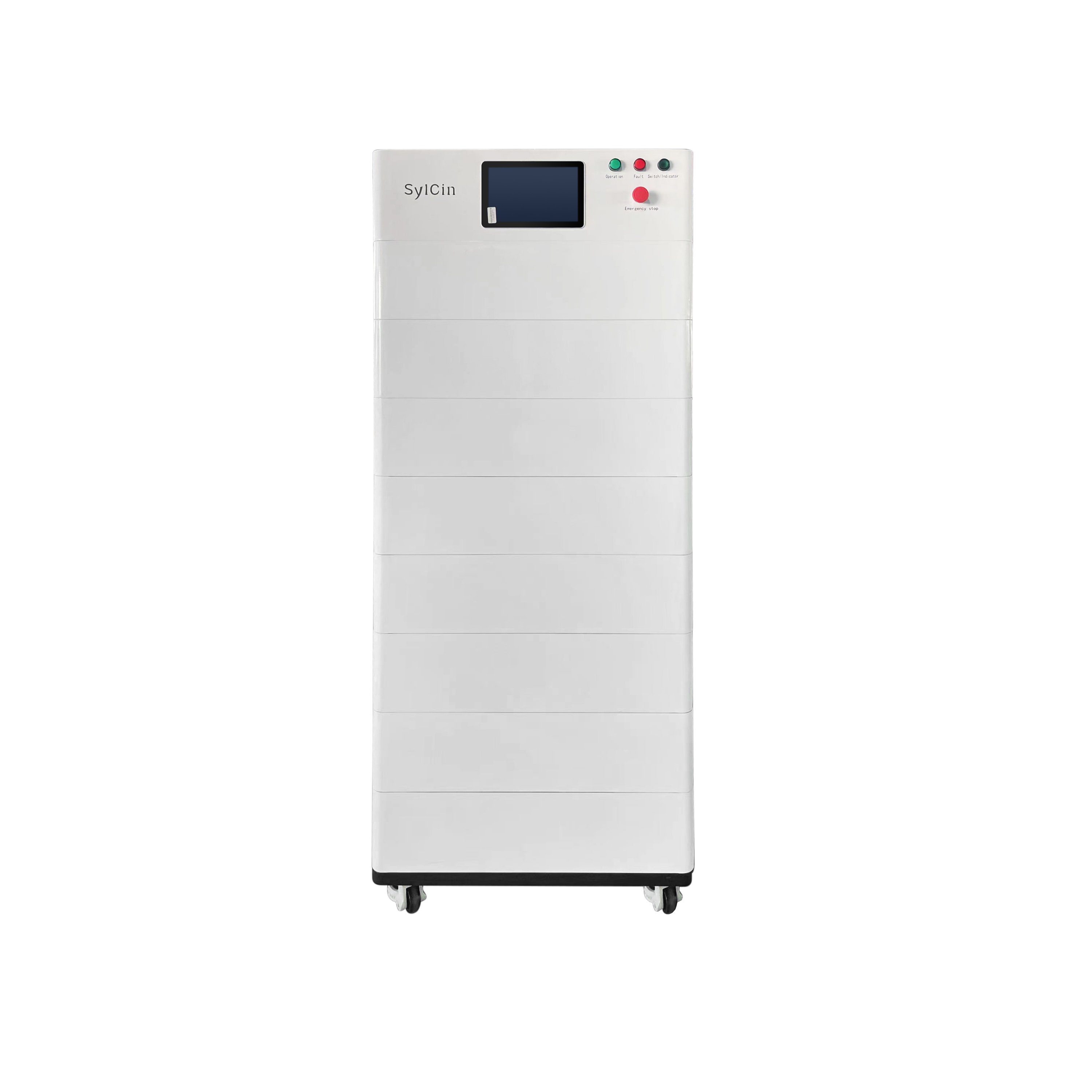
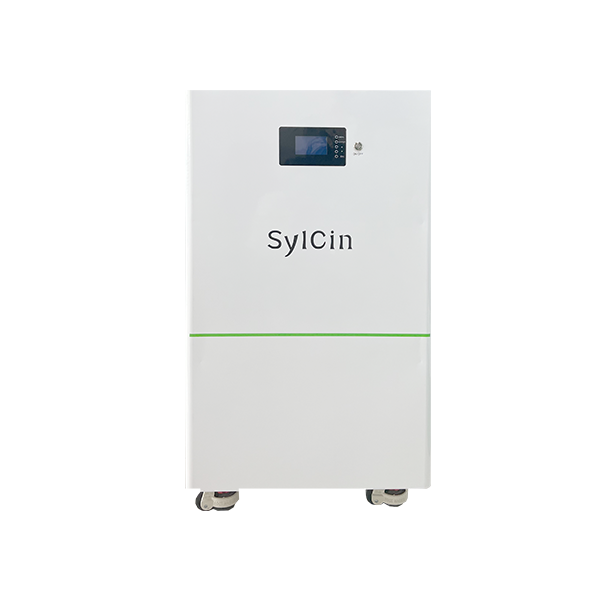
At SylCin, we focus on low-voltage off-grid energy storage systems designed specifically for:
- Remote & weak-grid regions
- Residential and small commercial applications
- Modular expansion and long service life
Our core solutions include:
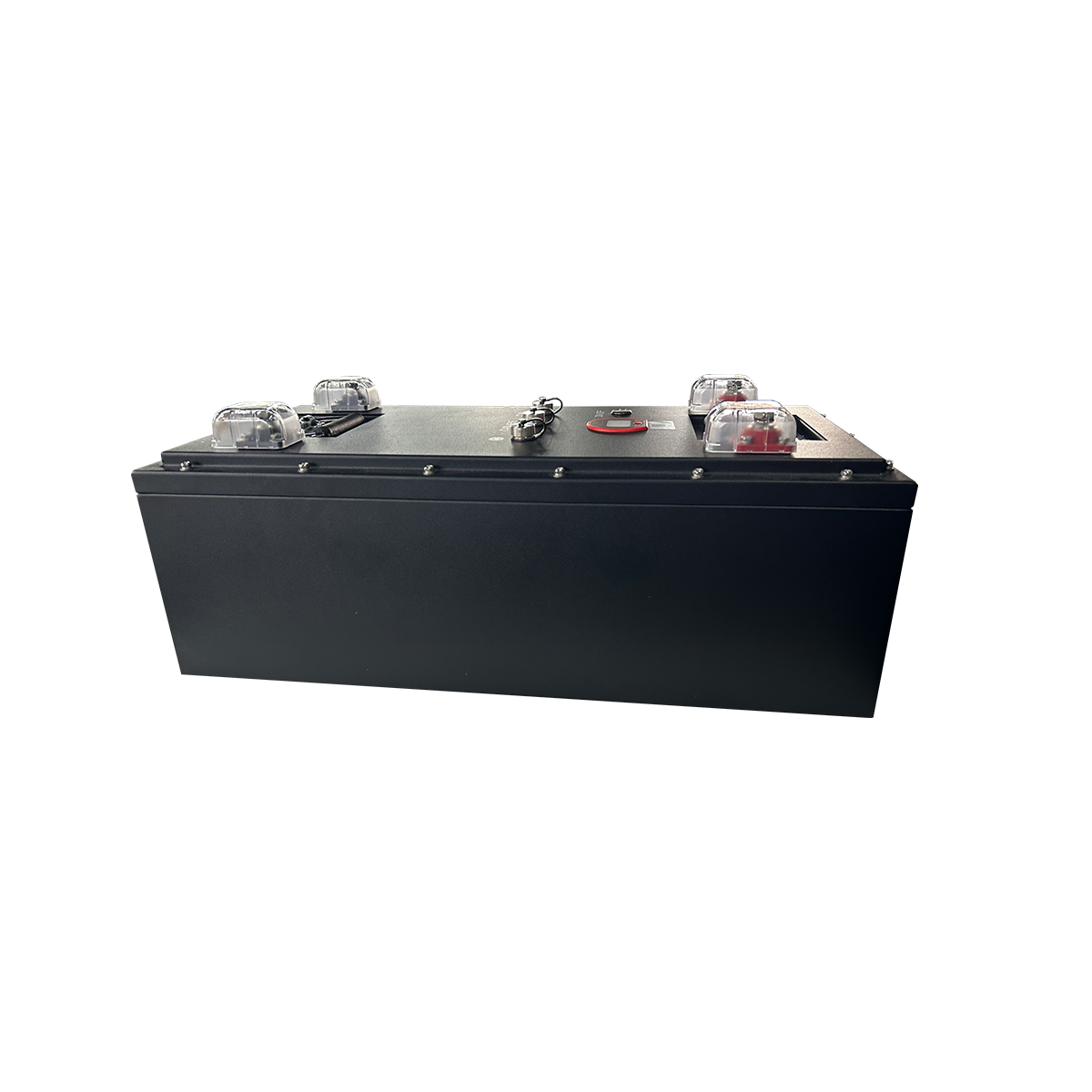
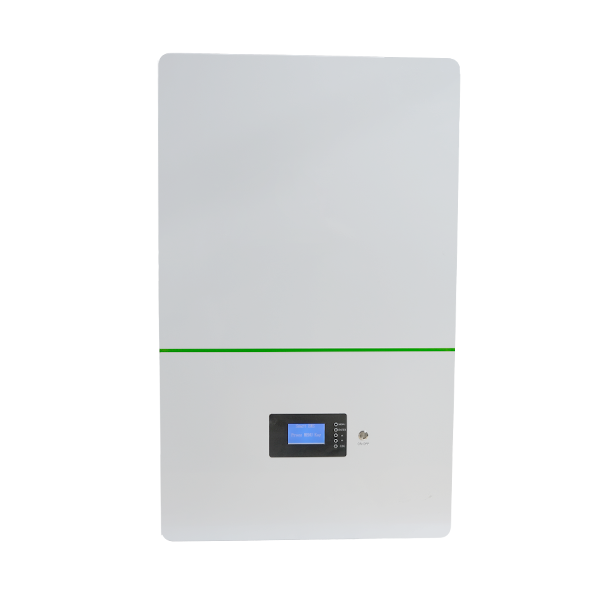
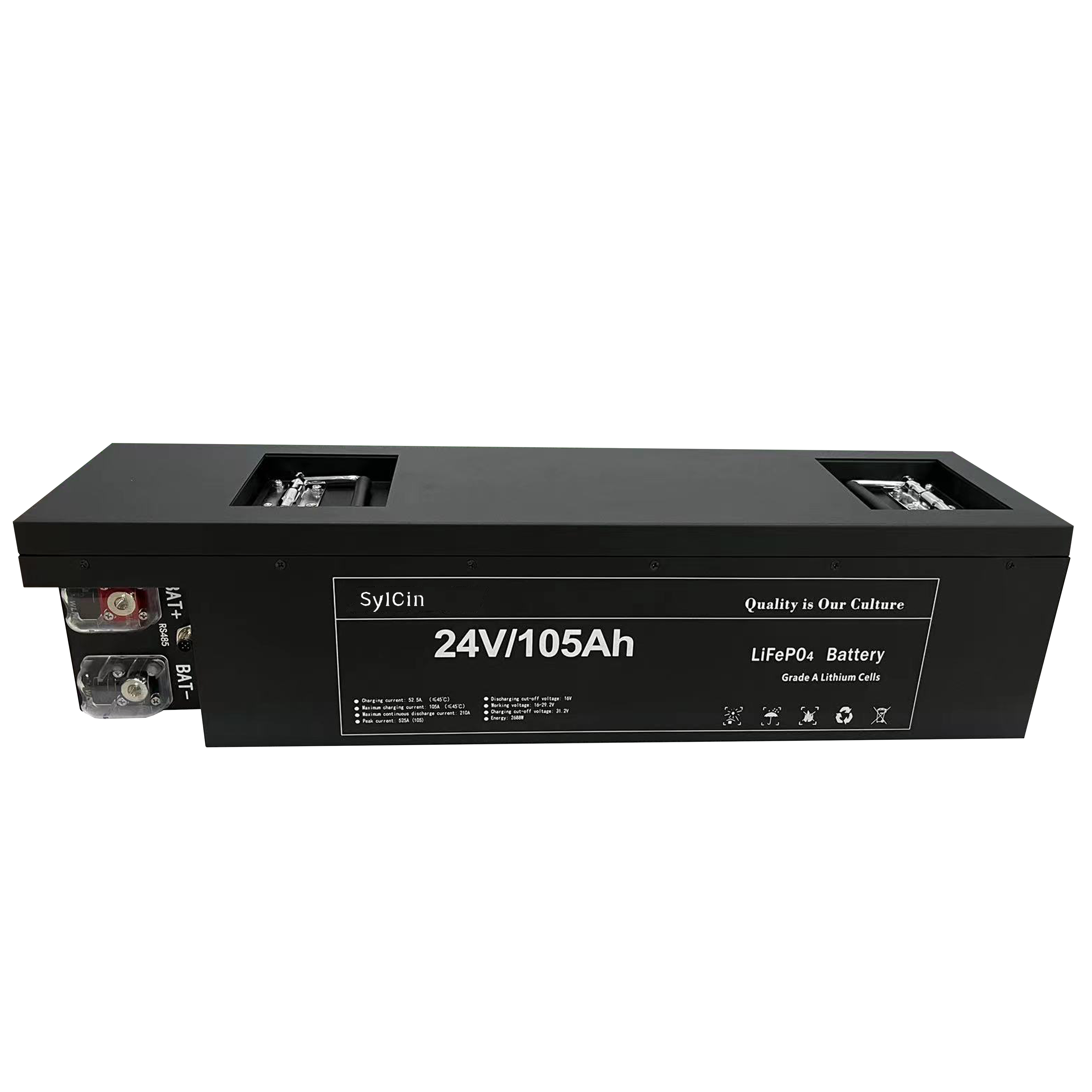
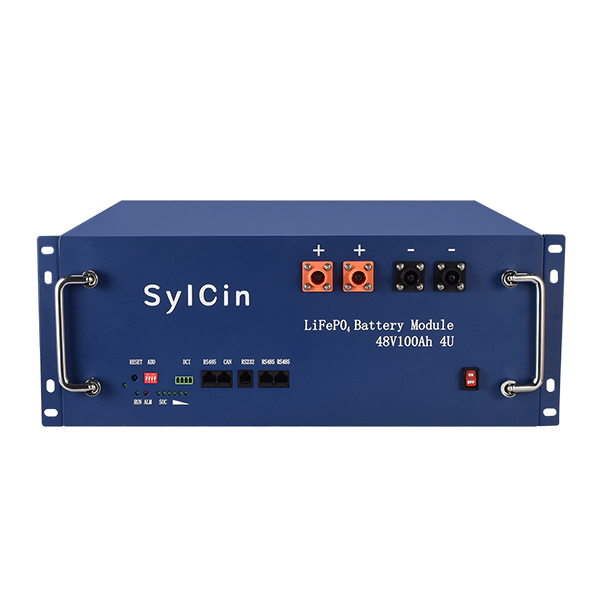
- 48V LiFePO₄ battery systems
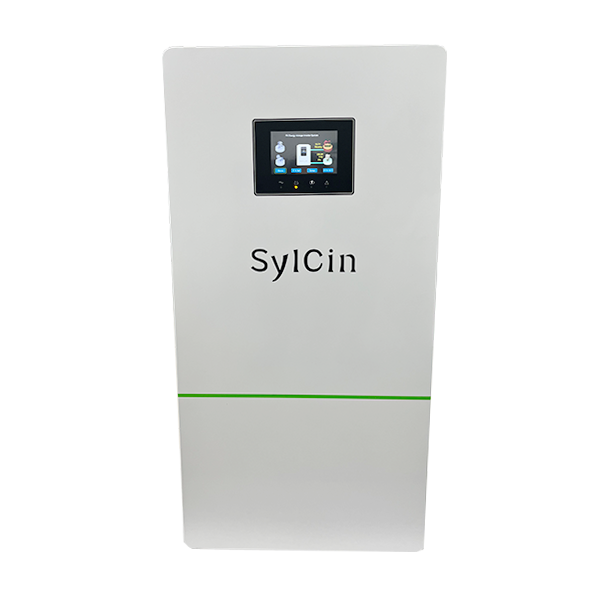
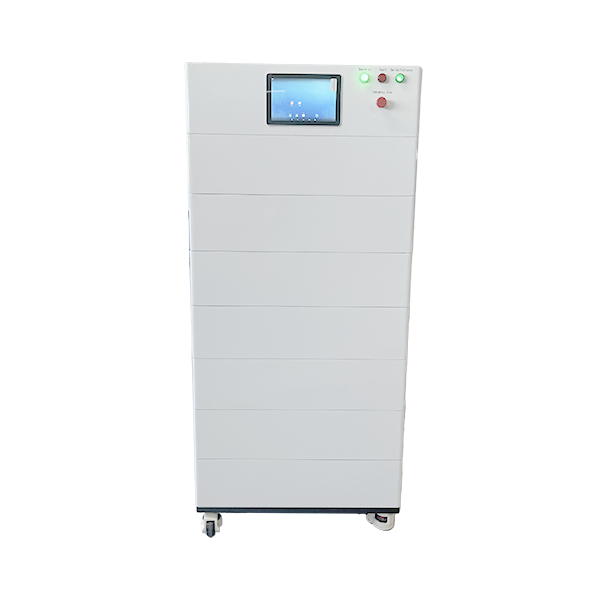
- Rack-mounted and wall-mounted energy storage
- Off-grid and hybrid inverter compatibility
- Custom system design support
SylCin systems are already deployed in off-grid homes, farms, islands, and rural commercial sites, where reliability matters more than theoretical efficiency.
Final Thoughts
-
Better reliability than the grid
-
Lower lifetime energy costs
-
True control over electricity supply
Grade A vs Grade B vs Disassembled Battery Cells:How to Choose the Right Lithium Cell Battery?
48V Solar Battery Parallel System Design Guide
Related Article

Best Selling Product