


24V Lithium Battery Lifespan & Safety Guide
How Electric Boat Users Can Achieve 8–15 Years of Stable Performance
— A SylCin Marine Solution Analysis
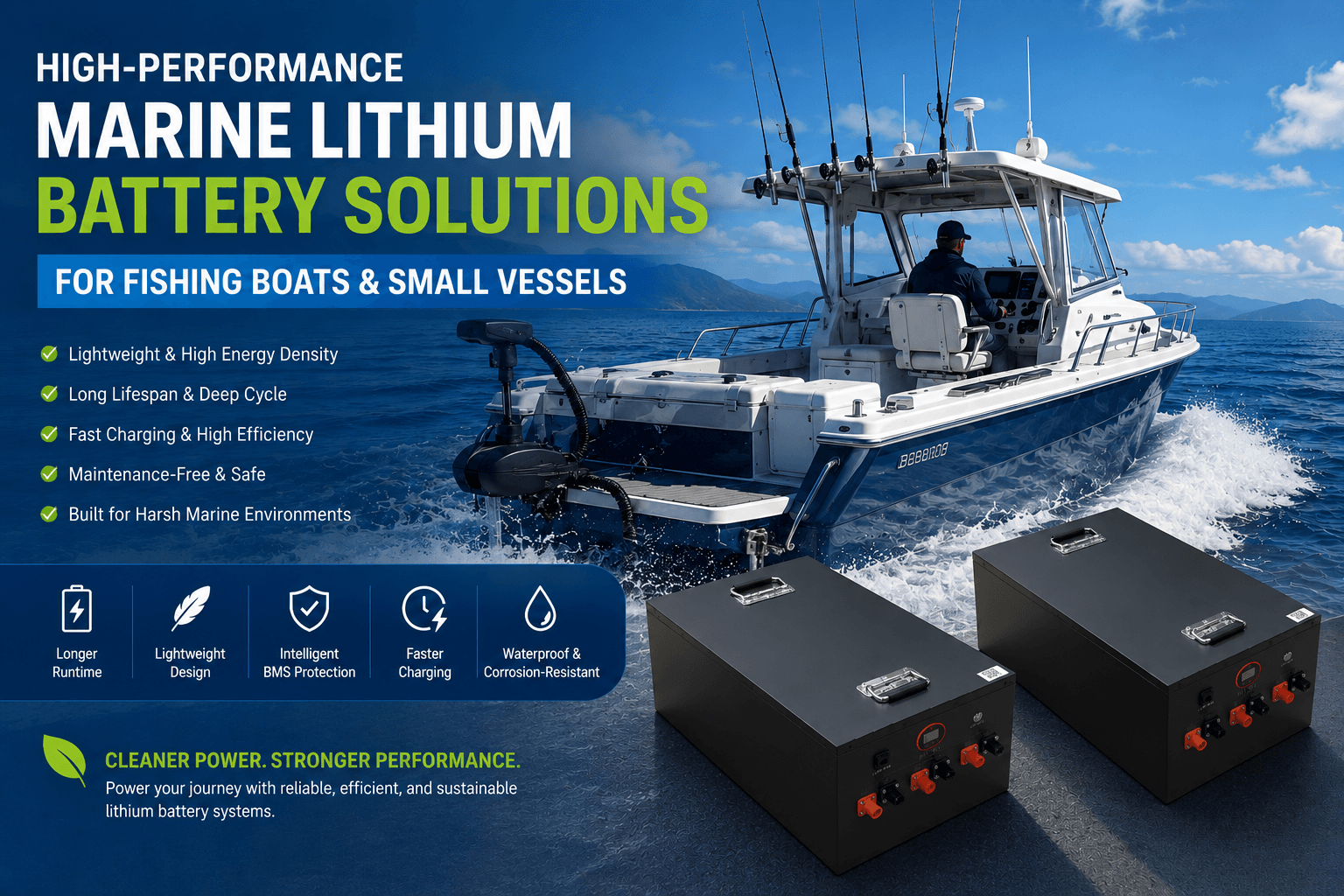
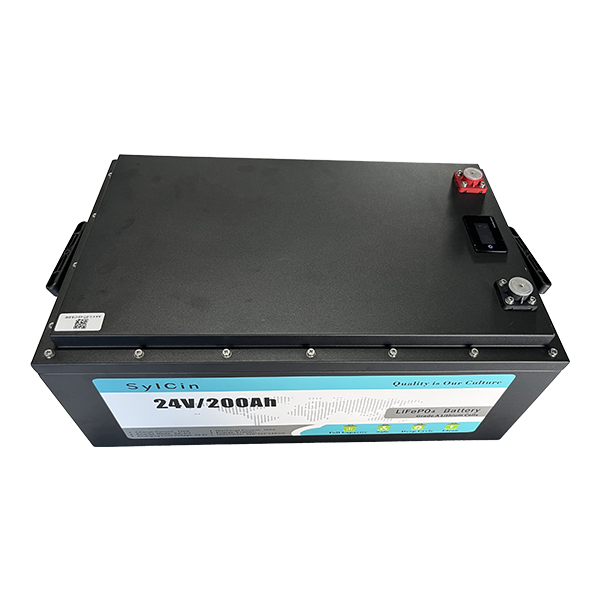
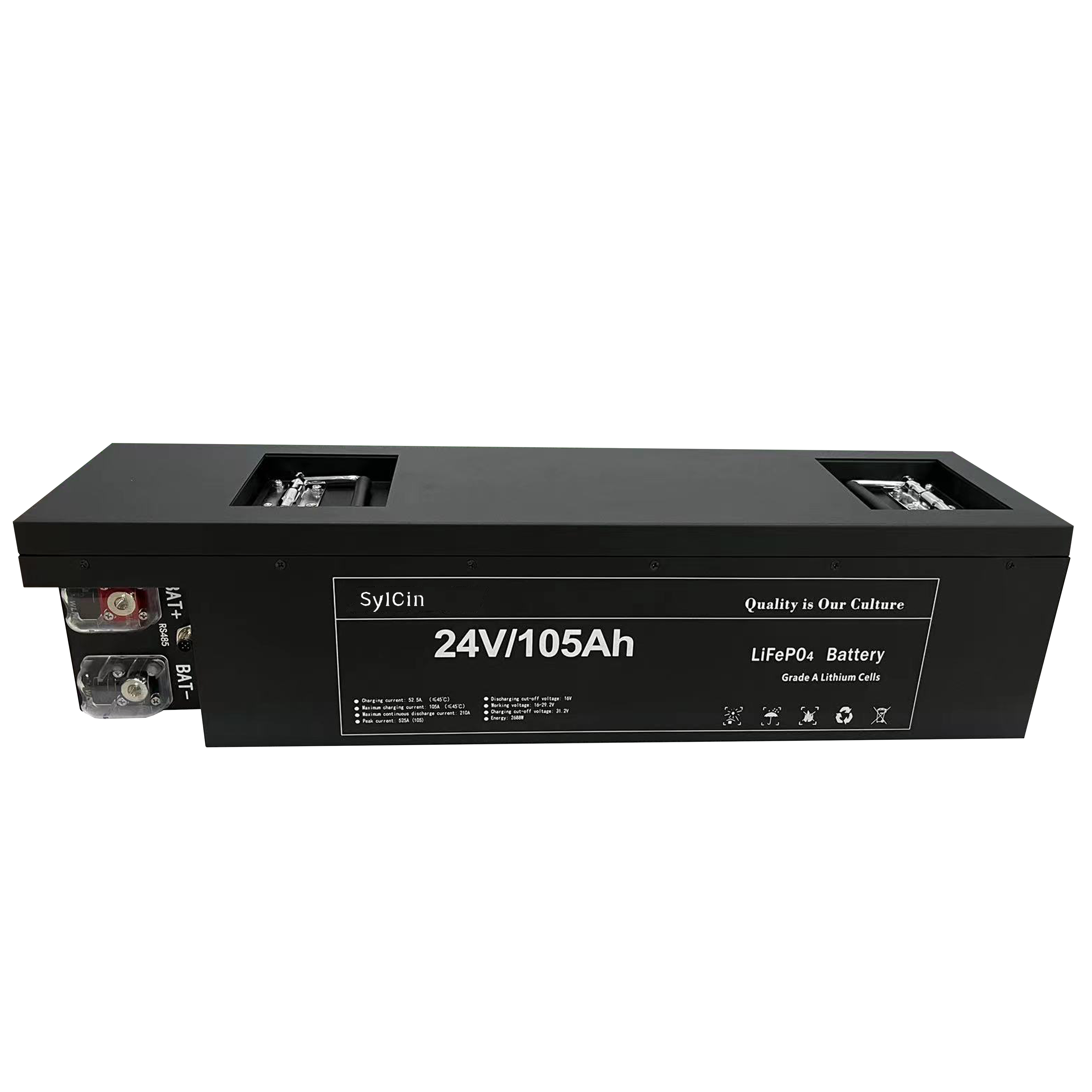
For users operating electric boats, trolling motors, or small marine power systems, a 24V LiFePO₄ battery is not only about runtime — it directly affects system stability, safety, and long-term reliability.
As a brand focused on marine and industrial lithium battery solutions, SylCin has observed one consistent reality across real-world projects:
most lifespan and safety issues are not caused by poor batteries, but by improper system usage and charging behavior.
This article, based on SylCin’s marine engineering experience, explains from real application scenarios:
- How long a 24V LiFePO₄ battery actually lasts in electric boats
- Which usage patterns most commonly shorten battery lifespan
- How to extend service life without compromising safety
- Which warning signs require immediate battery shutdown
1. Real-World Lifespan of a 24V LiFePO₄ Battery in Electric Boats
- Cycle life: approximately 3,000–6,000 cycles
- Service life: approximately 8–15 years
- Significantly longer than marine lead-acid batteries (usually 2–4 years)
- Stable 24V LiFePO₄ batteryoutput to reduce trolling motor thrust drop
-
Low internal resistance for long-duration, mid-load operation
- Vibration-resistant and moisture-protected structures for marine environments
2. Key Factors That Affect 24V LiFePO₄ Battery Lifespan
1️⃣ Depth of Discharge (DoD) Management
SylCin recommends:
- Avoiding long-term discharge down to 0%
- Planning cruising range with return power reserve
- Using systems with remaining capacity display or monitoring
2️⃣ Correct Charging Voltage and Charging Logic
- Charging 24V LiFePO₄ batteries with lead-acid chargers
- Mismatched charging voltage for 24V LiFePO₄ systems
- Incomplete charging curves leading to chronic undercharge or overcharge
- Correct charging voltage
- Controlled charging current
- Stable charging stage transitions
“How to Properly Charge a 24V Lithium Battery”
3️⃣ Marine Temperature and Thermal Conditions
- Enclosed compartments with limited ventilation
- Deck exposure and solar heat accumulation
- Long idle periods during boat storage
4️⃣ BMS Reliability — The Core of Marine Safety
- Overcharge and over-discharge protection
- Overcurrent and short-circuit protection
- Real-time cell temperature monitoring
3. Five Practical Lifespan-Extension Practices Recommended by SylCin
1️⃣ Avoid Frequent Deep Discharge (With Clear Thresholds)
- End normal outings with ≥20–30% remaining capacity
- Avoid frequent discharge below 10%
- Treat 0% discharge as an emergency condition, not routine use
- Voltage drops rapidly at deep discharge
- BMS intervention becomes more frequent
- Trolling motor thrust becomes unstable, increasing return risk
2️⃣ Recharge Promptly After High Load Operation
- Recharge within 1–3 hours after operation
- Avoid fragmented cycles such as “use briefly → wait days → use again”
- Use lithium-specific chargers with correct voltage logic
- Reduce prolonged low-state storage
- Return cells and BMS to stable operating conditions
- Improve long-term cycle consistency
3️⃣ Avoid Long-Term Full-Charge Storage on Board
- Leaving 24V LiFePO₄ batteries at 100% charge in hot seasons
- Long-term storage in sealed, sun-exposed compartments
- For idle periods longer than 3–7 days, adjust charge to 50–70%
- Improve ventilation or shaded storage when possible
4️⃣ Long-Term or Winter Storage: 40%–60% Is the Most Stable Range
- Adjust charge to 40–60% before storage
- Disconnect unnecessary loads
- Check battery status every 2–3 months
- Recharge only if capacity drops below 30%
- Cell chemistry remains most stable
- Self-discharge impact is minimal
- BMS operates under low stress
5️⃣ Regularly Inspect Terminals, Cables, and Connections
- Loose terminals
- Corrosion, oxidation, or heat marks
- Cable hardening, cracking, or abnormal bending
- Increased resistance → localized heating
- Voltage fluctuation → BMS misjudgment or protection trips
- High-current trolling motor loads amplify risks
SylCin's Core Advice for Electric Boat Users
- Preserve reserve capacity
- Preserve return margin
- Preserve thermal headroom
- Preserve system stability
This philosophy guides every SylCin marine battery design.
4. Are 24V LiFePO₄ Batteries Safe for Electric Boats?
SylCin marine 24V LiFePO₄ batteries are safe, stable, and suitable for long-term use.
- Incorrect charging methods
- Improper wiring or short circuits
- Physical damage or water intrusion
- Extreme thermal exposure
5. Stop Using the Battery Immediately If Any of the Following Occur
- Abnormal battery heating
- Swelling or deformation
- Strong or unusual odor
- Smoke, noise, or abnormal alarms
Marine spaces are limited — do not continue “observational use” once abnormalities appear.
6. Who Are SylCin Marine 24V LiFePO₄ Batteries Designed For?
- Electric boats and trolling motor users
- Fishing boats and workboats
- Small off-grid marine power systems
- B2B marine projects requiring long-term reliability
How Long Does a 48V LiFePO4 Battery Last?
How to Properly Charge a 24V Lithium Battery for Trolling Motors and Electric Boats
Related Article

Best Selling Product